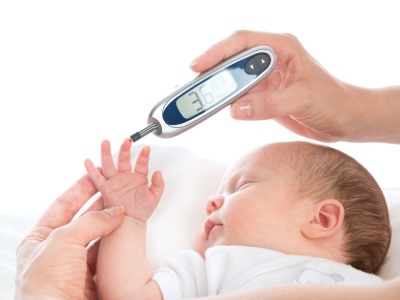
The FDA approved Jardiance (empagliflozin) and Synjardy (empagliflozin and metformin hydrochloride) as additions to diet and exercise to improve blood sugar control in children 10 years and older with type 2 diabetes. These approvals provide a new class of medicines taken by mouth to treat pediatric type 2 diabetes. Metformin, the only other oral therapy available for the treatment of children with type 2 diabetes, was first approved for pediatric use in 2000.
Type 2 diabetes, the most common form of diabetes, is a chronic and progressive condition in which the body does not make or use insulin normally, leading to high levels of glucose (sugar) in the blood. Based on information from the SEARCH for Diabetes in Youth study, the incidence of type 2 diabetes in children increased by 4.8% per year from 2002 to 2015 and is expected to continue increasing. As of 2017, there were approximately 28,000 cases of type 2 diabetes in children in the U.S. By 2060, if current trends continue, that number is predicted to be approximately 220,000, with the majority of cases occurring in minority racial and ethnic groups such as Non-Hispanic Blacks and Hispanics.
Empagliflozin, the active ingredient in Jardiance and Synjardy, works by increasing the excretion of glucose in the urine. Synjardy also contains metformin.
Common side effects in children treated with empagliflozin were generally similar to those reported in adults, except there was a higher risk of hypoglycemia (low blood sugar) among pediatric patients 10 years and older taking empagliflozin compared to placebo, regardless of whether they were taking other therapies for diabetes.
The most common side effects in adults treated with empagliflozin include urinary tract infections and female fungal infections. The most common side effects in patients treated with metformin include diarrhea, nausea and upset stomach. Jardiance and Synjardy are not recommended in patients with type 1 diabetes because of an increased risk of diabetic ketoacidosis. Jardiance and Synjardy are also not recommended for use to improve blood sugar control in patients with severe kidney problems and should not be used in patients who previously have had a serious allergic reaction to them. Synjardy must not be used in patients with metabolic acidosis or diabetic ketoacidosis (increased ketones in the blood or urine).
Subscribe to our e-Newsletters
Stay up to date with the latest news, articles, and events. Plus, get special offers
from American Pharmaceutical Review – all delivered right to your inbox!
Sign up now!