Genentech, a member of the Roche Group announced that the FDA accepted the company’s Biologics License Application (BLA) for crovalimab, an investigational, novel anti-C5 recycling monoclonal antibody, for the treatment of paroxysmal nocturnal hemoglobinuria (PNH). The acceptance was based on results from the pivotal Phase III COMMODORE 2 study, which demonstrated that in people with PNH, crovalimab achieved disease control and was well-tolerated. Results from the Phase III COMMODORE 1 study, demonstrating the consistent benefit-risk profile of crovalimab, also supported the application.
“This filing acceptance reinforces the value of crovalimab, which was engineered to be recycled in the bloodstream with the goal of offering a sustained response while reducing treatment burden,” said Levi Garraway, M.D., Ph.D., chief medical officer and head of Global Product Development. “Crovalimab could provide an option to self-administer as infrequently as every four weeks, thereby reducing clinic visits for people with this lifelong condition.”
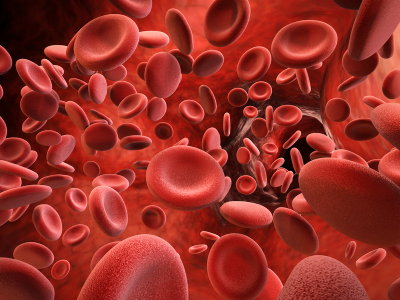
PNH is a rare and life-threatening blood condition, which affects approximately 20,000 people worldwide. In PNH, red blood cells are destroyed by the complement system – part of the innate immune system. This causes symptoms such as anemia, fatigue and blood clots, and can lead to kidney disease. C5 inhibitors – treatments that block part of the complement system cascade – have been shown to be effective in treating PNH. Crovalimab is a novel C5 inhibitor that is recycled within the bloodstream, enabling sustained complement inhibition through low-dose, subcutaneous (SC) administration every four weeks.
The BLA was based on results from the Phase III COMMODORE 2 study in people with PNH who have not been previously treated with complement inhibitors. Results from the study demonstrated that crovalimab, administered as SC injections every four weeks, achieved disease control and was non-inferior with comparable safety to eculizumab, a current standard of care, given intravenously every two weeks. Adverse events (AE) in the study occurred in 78% of participants treated with crovalimab and 80% treated with eculizumab, with the most common AE being an infusion-related reaction. The application also included data from the Phase III COMMODORE 1 study, which supported the favorable benefit-risk profile of crovalimab in people with PNH switching from currently approved C5 inhibitors. Data from the COMMODORE 1 and 2 studies were recently presented at the European Hematology Association 2023 Hybrid Congress.
Global Phase III data from the COMMODORE 1 and 2 studies in PNH have been submitted to other regulatory authorities around the world and submissions are ongoing.
Crovalimab is being investigated in a broad clinical development program, including five ongoing Phase III studies and three earlier phase studies in PNH and other complement mediated diseases.
Subscribe to our e-Newsletters
Stay up to date with the latest news, articles, and events. Plus, get special offers
from American Pharmaceutical Review – all delivered right to your inbox!
Sign up now!