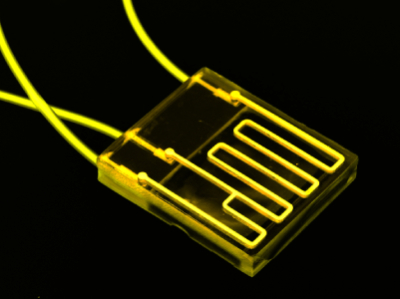
CN Bio, a prominent Organ-on-a-Chip (OOC) company specializing in the design and production of single- and multi-organ microphysiological systems (MPS), announced the crucial role of its PhysioMimix® assay in confirming the efficacy of INI-822, a potential treatment for Non-alcoholic steatohepatitis (NASH), developed by Inipharm—a biopharmaceutical company dedicated to discovering and developing therapies for severe liver diseases. The utilization of in vitro OOC for early evidence of INI-822's efficacy highlights the transformative potential of these models in providing human-relevant data during preclinical programs.
Inipharm has commenced Phase 1 dosing of its lead candidate, INI-822, a small-molecule inhibitor targeting HSD17B13, a gene implicated in NASH. Loss-of-function variants of this gene have been linked to a reduced incidence risk and severity of multiple liver diseases. As part of the recent regulatory submission, CN Bio's Contract Research Services team employed the company's PhysioMimix OOC Systems and NASH 'in-a-box' (NIAB) kit to generate crucial data for determining compound efficacy.
Despite ongoing research to address the increasing prevalence of NASH, the lack of regulatory-approved therapeutics persists due to the inability of traditional in vivo approaches to accurately predict the human response to this complex metabolic disease. In tandem with the PhysioMimix OOC, CN Bio's 'in-a-box' range aims to streamline the integration of MPS into drug discovery workflows by offering a straightforward and rapid pathway to replicate the company's industry-proven models and assays. The NIAB kit was introduced to support the urgent development of NASH therapeutics, providing physiologically relevant insights into the disease mechanism, human drug efficacy, and potential treatment regimens. The assay overcomes the human-relevance limitations of existing approaches, bridging the gap between human 2D cell culture and costly, inefficient animal models that fail to replicate the complete disease spectrum.
Subscribe to our e-Newsletters
Stay up to date with the latest news, articles, and events. Plus, get special offers
from American Pharmaceutical Review – all delivered right to your inbox!
Sign up now!