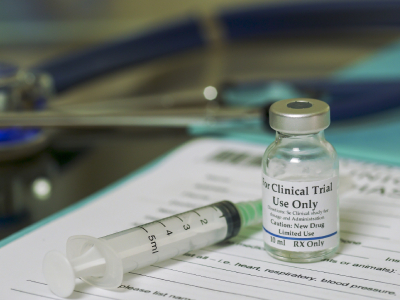
United Therapeutics Corporation announced that the FDA has cleared its Investigational New Drug application (IND) to initiate a clinical study of the company’s investigational UKidney™ derived from a 10 gene-edited source pig. The study will enroll an initial cohort of six end-stage renal disease (ESRD) patients, expanding to up to 50 participants, and is intended to support a Biologics License Application (BLA) with the FDA.
“Our goal is to increase the availability of transplantable organs to offer a therapeutic alternative to a lifetime on dialysis for a large population of patients who are unlikely to receive an allogeneic kidney transplant.”
United Therapeutics expects the first xenotransplant in this trial to be performed around mid-year 2025.
According to the American Kidney Fund, more than 557,000 patients in the U.S. are on dialysis to filter their blood when their kidneys are no longer able to do so. A 2009 study estimated that 52% of kidney transplant candidates who were at least 60 years of age when placed on the transplant waitlist die within five years before receiving a transplant. United Therapeutics believes that xenotransplantation offers a therapeutic alternative to dialysis.
“Clearance of our IND for this first-ever clinical trial of a xenokidney represents a significant step forward in our relentless mission to expand the availability of transplantable organs,” said Leigh Peterson, Ph.D., Executive Vice President, Product Development and Xenotransplantation at United Therapeutics. “Our goal is to increase the availability of transplantable organs to offer a therapeutic alternative to a lifetime on dialysis for a large population of patients who are unlikely to receive an allogeneic kidney transplant.”
This first-in-human clinical study aims to assess safety and efficacy of the UKidney in two groups of participants:
- ESRD patients who have been assessed and determined to be ineligible for a conventional allogeneic kidney transplant for medical reasons; and
- ESRD patients who have been on the kidney transplant waitlist but are more likely to die or go untransplanted than receive a deceased donor kidney transplant within five years.
“Eliminating the need for dialysis or limiting time on dialysis may improve survival for many patients with ESRD,” said Noah Byrd, Ph.D., RAC, Vice President, Global Regulatory Affairs at United Therapeutics. “We appreciate the productive collaboration with the FDA in advancing our efforts to bring this potentially revolutionary therapeutic option to the hundreds of thousands of ESRD patients.”
Subscribe to our e-Newsletters
Stay up to date with the latest news, articles, and events. Plus, get special offers
from American Pharmaceutical Review – all delivered right to your inbox!
Sign up now!