Introduction
Turning a biologics candidate into a viable drug requires consideration of two major aspects. On the one hand, excellent biological properties are needed to ensure safety, efficacy, and desired pharmacokinetics; on the other hand, an optimal developability profile is needed to ensure that a treatment option can be translated into a true therapeutic through technical development. In the past, candidate selection in many organizations was focused mainly on biological properties, and attributes related to manufacturability were not considered. However, immense resource investment incurred during technical development in many projects demonstrated the importance of selecting a candidate with good developability profile early in biopharmaceutical development. Biologics showing significant challenges during drug substance production, drug product formulation, or incompatibility with the desired route of administration might face regulatory hurdles, may be difficult to commercialize, or will not be competitive in the market.1,2 Consequently, a crucial step for successful development of biologics is the selection of the best molecule, taking both biology and developability3 into consideration. The “Integrated Biologics Profiling” concept takes a holistic developability assessment approach. It takes into account a broad spectrum of parameters to judge manufacturing feasibility, physico-chemical properties, ease of formulation, and compatibility with in vivo conditions, including risk for immunogenicity to select biologics candidates with high probability of success in technical development. This approach is an extension of quality by design principles to the discovery phase and ensures selection of candidates that guarantee development of robust manufacturing processes while achieving critical product quality attributes.
Organizational Setting
Traditionally, technical development activities associated with drug substance and drug product manufacturing were initiated only upon transfer of projects from research into development groups. The transition at the Research & Development (R&D) interface may not be without challenges, since prerequisites, expectations, and performance indicators of both groups differ. Four years ago an Integrated Biologics Profiling concept was established at Novartis. Existing activities of cell line development, purification, biophysical characterization, and in vivo fitness assessment (see below) were combined to form a dedicated unit. This has enabled better candidate selection decisions at the R&D interface based on biology and developability data. This upfront resource investment has proven to be of high value by de-risking the development process. Identification of candidates with an optimal developability profile enables the use of platform approaches for drug substance and drug product manufacturing. This leads to increased productivity of technical development, acceleration on the path to the clinic, and development of best-in-class drugs.
Candidate Assessment with Focus on Antibody Projects
Candidate assessment is divided into an early selection and a final profiling phase. During the selection phase, a large number of candidates is expressed, purified, and characterized with high- throughput assays and in silico tools within a few weeks. A thorough characterization of the best molecules is performed during the profiling phase, which takes six to seven months and results in the selection of the lead candidate. The final profiling is fully integrated with the cell line development process to generate stable Chinese hamster ovary (CHO) manufacturing cell lines.4 This approach allows screening for the best product profile of potential manufacturing cell lines. It also enables the preparation of material comparable to late-stage production material and ensures adherence to procedures applied during biologics development.
For antibodies the selection phase is initiated as soon as binding and activity data of candidates meet the minimum requirements defined by the research teams. A set of around 50 molecules is analyzed in silico with respect to potential risk for post-translational modification sites (PTMs) in the complementarity determining regions (CDRs). These modifications may impact biological activity, may lead to immunogenic responses, or affect stability and quality of the material, resulting in significantly increased manufacturing and analytical efforts.5,6 In parallel, all molecules are transiently expressed in human embryonic kidney (HEK) cells, purified by affinity liquid chromatography and characterized in a high-throughput (HT) manner. The candidates receive a developability risk label based on the following parameters:
- Aggregation propensity assessed by size exclusion chromatography multi-angle light scattering
- Surface hydrophobicity assessed by hydrophobic interaction chromatography
- Conformational stability assessed by differential scanning fluorimetry
- Fab interface stability assessed by a chromatography-based isopropanol challenge
- Sequence-based calculation of isoelectric point
Stringently set thresholds based on scientific knowledge and historical data enable de-selection of high-risk candidates and ranking of remaining candidates. Sequence and epitope diversity are also taken into consideration during ranking to assess a wide spectrum of candidates.
Candidates that have been subjected to, eg, PTM engineering or a hydrophobicity improvement to decrease risk for increased viscosity, low solubility, or aggregation are reanalyzed with the same analytical package to ensure improved biophysical properties.
Once four molecules are selected that fulfill the best combination of biological activity, biophysical properties, sequence, and epitope diversity, the profiling phase is initiated. It covers a more representative up- and downstream process relative to clinical manufacturing, detailed analysis of physico-chemical properties, stability in selected formulations under representative stress conditions, and in vivo fitness aspects. A representation of the knowledge-space obtained for each candidate during the selection and profiling phase is depicted in Figure 1.
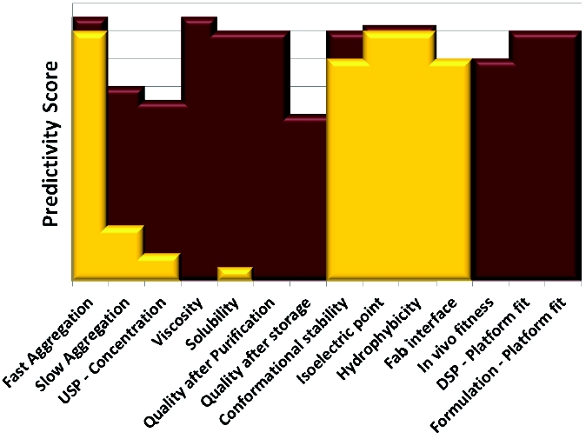 Figure 1. Knowledge space coverage during the HT selection (yellow bars) and the profiling phase (dark bars).
Fast aggregation (aggregation during expression and purification), conformational stability, isoelectric point, hydrophobicity, and Fab interface are major assessment criteria in the selection phase (yellow bars in Figure 1). These criteria are confirmed and additional criteria are addressed in the profiling phase (dark bars in Figure 1).
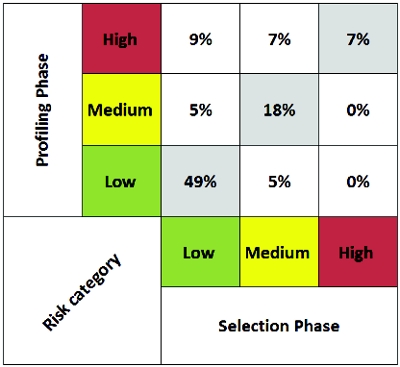 Figure 2. Correlation plot of molecules characterized in the selection and the profiling phase.
Figure 2 shows a distribution of candidate ranking assessed during profiling and selection phases. Importantly, the risk category rating for 74% of the candidates identified during the selection phase is confirmed during later profiling (sum of gray colored fields in Figure 2). These include 7% of high-risk candidates that were included in profiling due to their preferred biological properties. This highlights the very good prediction achieved by the assays used in the selection phase.
The developability risk rating for 26% of the molecules changes during the profiling phase. The main reason is that at this stage parameters addressing high-concentration properties can be assessed in addition. As a result, properties such as viscosity and slow aggregation (ie, aggregation after stress) can be determined. Furthermore, the production of material for characterization in the profiling phase is performed in the final CHO cell line and under conditions that mimic the process during technical development. In particular, the purification workflow, resins, loading densities, and buffers are designed to evaluate the suitability for the platform downstream process. These parameters as well as the susceptibility to proteolysis in the production cell line can now be included in the overall rating.
The need for high-concentration liquid formulations for most antibody drugs places viscosity as one of the critical parameters for candidate selection. However, the need for high-concentration solutions and material consumption prohibit inclusion of viscosity determination, eg, by rheometry in the early selection process. Surrogate assays such as dynamic light scattering (DLS) measurements at different concentrations or in the presence of latex beads have been described by several groups.7-9 By analyzing data from more than 100 antibodies, we have established that self-interaction propensity at low concentration (<15 mg/ml) is a good predictor for viscosity at concentrations above 100 mg/ml. Specifically, 89% of the molecules can be assigned correctly to low- or high-viscosity categories, respectively, by determining their self-interaction tendency by DLS (Figure 3, quadrant III and I, respectively). The high viscosity of candidates in quadrant II will only be detected during the characterization phase, as it seems to originate from phenomena that are not detected at low concentration. Finally, the remaining 6% of candidates in quadrant IV represent a minimal risk of false positives.
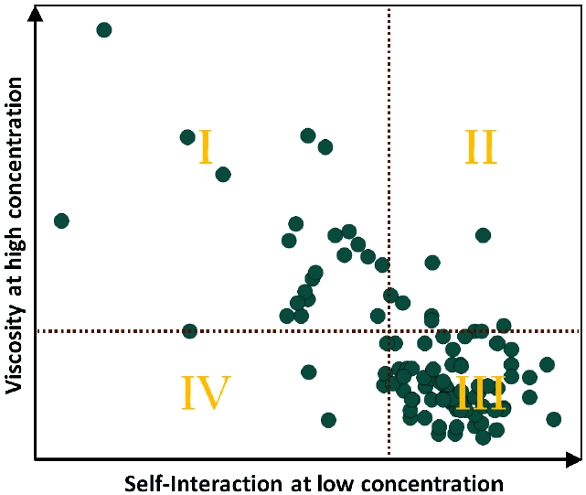 Figure 3. Viscosity data of more than 100 antibodies measured by rheometry on high concentrated formulations versus data obtained by self-interaction experiments at low concentration.
Besides biophysical properties, such as viscosity, conformational stability, colloidal stability, and hydrophobicity, quality attributes are determined for each candidate. They comprise purity, susceptibility to proteolysis, charge variants as well as the glycosylation-pattern, and other PTMs. Since these parameters are part of the release specifications for material during technical development, Quality Control relevant analytical methods, such as high-performance liquid chromatography, capillary electrophoresis, and mass spectrometry, are already applied during profiling, providing a method suitability check and enabling early analytical method development.
During the pre-formulation assessment, all candidates are assessed with regard to their solubility in various pH- and salt-conditions, stability in platform formulations under representative stress conditions, such as increased temperature, shaking, and freeze/thaw, as well as compatibility with primary container. Therefore, the pre-formulation assessment represents very valuable information for candidate selection: it reveals potential slow aggregation kinetics, particle formation, changes in PTMs, liabilities for drug substance storage and handling, and an estimate on long-term storage stability. By taking these aspects into consideration for lead selection, efforts during drug product development can be significantly minimized.
It is important to understand that properties of an antibody that allow successful production, purification, and formulation do not necessarily correlate with an optimal behavior in vivo. To investigate these risks, several assays are included during profiling and are termed “in vivo fitness” assessment. These assays comprise the pH-dependent binding to neonatal Fc receptors since this is the prerequisite for a long halflife. Off-target or unspecific binding to other proteins is investigated using a protein chip. Proteolytic stability and solubility are assessed in cyno- and human serum and plasma to judge compatability with in vivo conditions. Measurement of binding against a selection of cynoand human Fcγ receptors allows predicting the presence or absence of antibody dependent cellular cytotoxicity (ADCC) functionality. A simple one-dose rat triage pharmacokinetic (PK) study is used to determine if distribution and half-life match the expected behavior of the antibody in a rat.
Figure 4 summarizes a full assessment of one project with four diverse antibodies. Individual parameters (eg, conformational stability or pI) and assay packages (eg, in vivo fitness or purification experience) are rated and a resulting cumulative risk is determined. A lowrisk candidate (mAb2) is expected to be developable according to standard procedures and processes, while a medium-risk candidate (mAb1) will need additional, but manageable, efforts during technical development. Development of a high-risk candidate (mAb3, mAb4) is expected to have either significant resource, safety, and regulatory implications or might even be technically not feasible.
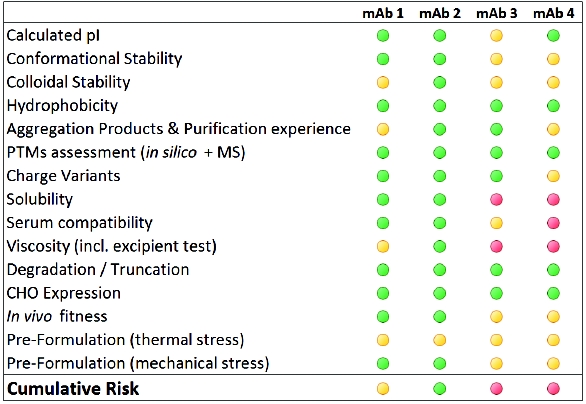 Figure 4. Representative scheme of the developability assessment for a set of four final candidates of one project in the respective characterization categories as well as the cumulative risk label; green = low risk, yellow = medium risk, red = high risk.
It should be emphasized that an assessment against absolute criteria cannot be applied and the context of the indication needs to be considered. For example, high viscosity may be an increased risk for an administration of a high-concentration liquid formulation, but a very potent molecule that can be given at a low dose may still well be manufacturable and formulatable. The overall risk for such a compound may be less impacted by the viscosity than for a project where a highconcentration liquid formulation would be a must. Consequently, the candidate ranking needs to be based on Integrated Biologics Profiling parameters as described in this article as well as considering biology and the anticipated application.
Outlook
Early lead selection of biotherapeutics during preclinical development requires careful characterization of a variety of molecule properties to reduce the risk for encountering unexpected obstacles during technical development. Applying an appropriate set of assays allows reduction of attrition rates and improves predictability of candidate behavior at later stages. The implementation of predictive high-throughput assays as well as the advances in early material productions in high amounts from the final cell lines has enabled us to generate profound knowledge about developability predictors for antibodies. The challenges for early lead selection now lay in the increasing number of innovative and fascinating biological molecules of very different formats, their stability, immunogenicity risk, and increased complexity of the development processes. The breadth of parameters considered from the Integrated Biologics Profiling concept allows us to accommodate these different kinds of molecules with minor adaptations in the assay portfolio and consequently to de-risk the development process for biologics in general.
Acknowledgements
We would like to thank all our Integrated Biologics Profiling colleagues for fruitful discussions. We also would like to thank the many colleagues in the research and development organization, in particular Michael Vetsch and Stefan Ewert, for their valuable input and contributions.
Author Biographies
Thorsten Lorenz received his PhD in 2008 from the Max Planck Institute for Medical Research and afterwards joined the Novartis Institute for BioMedical Research as a postdoctoral fellow. Since 2011, he has headed a laboratory for biophysical characterization and pre-formulation assessment of biologics in Integrated Biologics Profiling at Novartis.
Jocelyne Fiaux is a biochemist by training and graduated from the Swiss Federal Institute of Technology. She worked for nearly 10 years in academic research in the field of biophysics and protein folding. She joined Novartis in 2008 and has since then been working in several functions in Biologics Early Development.
Daniel Heitmann received his PhD in 2008 from the Georg-August- University Göttingen in the field of structural biology of membrane proteins and cytochromes, followed by a postdoctoral position in the Albert-Ludwig- University of Freiburg. Since 2009 he has led a laboratory at Novartis for Developability Assessment of the biologics research pipeline.
Kapil Gupta received his PhD in 2006 from Johns Hopkins University in Baltimore, MD, in Chemical and Biomolecular Engineering. He then joined Amgen and worked on late-phase drug product and device development. Currently, he is a Senior Fellow at Novartis focusing on developability assessment of early biologics pipeline.
Hans Kocher is a biochemist by training with a doctorate from the Swiss Federal Institute of Technology. His research interests are in protein preparation and characterization. Hans held various positions including: Principal Investigator at University of Geneva, Research Scientist at Roche, Unit Head at Sandoz, and Executive Director at Novartis.
Hans-Peter Knopf has studied Molecular and Cell Biology at the University of Freiburg, Germany, holding a PhD in Molecular Immunology. He joined Novartis Pharma AG in 1995; meanwhile with 20 years of experience in biologics R&D in various positions, he is currently serving as Senior Biologics Expert within Technical Research and Development. In addition, he is a member of the Board at UniTargeting Research (UTR), Bergen, Norway.
Steffen Hartmann performed his PhD work at the Friedrich-Miescher Institute for BioMedical Research in Basel, Switzerland. He worked for more than 10 years as lab head and group leader at Novartis Research in the Protein Analytics field. Since the set up of the Integrated Biologics Profiling Unit in 2009 he was leading a group focusing on the developability assessment of biologics. Currently, he is Head of the Integrated Biologics Profiling Unit.
References
- Pybus LP, Dean G, West NR, et al. Model-directed engineering of “difficult-to-express” monoclonal antibody production by Chinese hamster ovary cells. Biotechnology and Bioengineering. 2014;111 (2):372-385.
- Goswami S, Wang W, Arakawa T, Ohtake S. Developments and challenges for mAb-based therapeutics. Antibodies. 2013;2:452-500.
- Yang X, et al. Developability studies before initiation of process development. mAbs. 2013;5(5):787-794.
- Jostock T, Knopf HP. Mammalian stable expression of biotherapeutics. Methods Mol Biol. 2012;899:227-238.
- Liu H, et al. Heterogeneity of monoclonal antibodies. J Pharm Sci. 2008 Jul;97(7):2426-47.
- Jenkins N, et al. Post-translational modifications of recombinant proteins: significance for biopharmaceuticals. Mol Biotechnol. 2008 Jun;39(2):113-118.
- Yadav S, Shire SJ, Kalonia DS. Viscosity behavior of high-concentration monoclonal antibody solutions: correlation with interaction parameter and electroviscous effects. J Pharm Sci. 2012 Mar;101(3):998-1011.
- Connolly BD, et al. Weak interactions govern the viscosity of concentrated antibody solutions: high-throughput analysis using the diffusion interaction parameter. Biophys J. 2012;103:69-78.
- Neergaard MS, et al. Viscosity of high concentration protein formulations of monoclonal antibodies of the IgG1 and IgG4 subclass—prediction of viscosity through protein-protein interaction measurements. Eur J Pharm Sci. 2013 Jun 14;49(3):400-410.