Birajdar Savita, Deepa Korawar, Dr Somashekhar M Metri*, Dr R B Kotnal, Santosh Metre, and Shilpa Muchandi - Department of Pharmaceutical Chemistry, BLDEA’s Shri Sanganabasava Mahaswamiji College of Pharmacy and Research Centre, Vijayapur-586101
Abstract
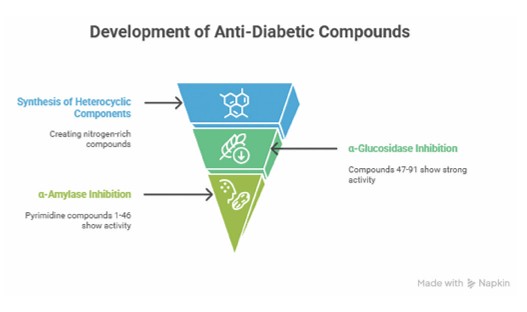
The rise of scourges, several infectious diseases, and a variety of diseases necessitate the development of new pharmacological innovations using activated nitrogen-based compounds. All living things have the pyrimidine component, which has several important biological characteristics. This work outlines a straightforward, synthesized approach for creating heterocyclic components with several nitrogen-rich atoms acting as crucial components for creating new diabetic medications. A key factor in reducing hyperglycaemia after meals in diabetes patients is the blocking of α-amylase (α-Amy) and α-glucosidase (α-Gls). In this scenario, the strongest anti-diabetic activity of α-glucosidase was shown by compounds 47-91, while α-amylase was shown by pyrimidine compounds 1-46. The results of this review demonstrate that this category of drugs has significant inhibitory efficacy towards this enzyme.
Keywords: Pyrimidine, α-amylase, α-glucosidase, Antidiabetic activity
Graphical Abstract
Introduction
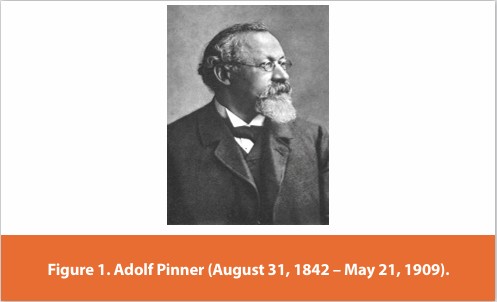
The study of hetero cyclic chemical structure is the most complex and diverse area of organic science, and it is rapidly growing because of the wide range of applications these molecules have in industry, agriculture, and medicine.1 In nature, N-heterocyclic compounds and their derivatives are extensively found. They serve as the skeletal pieces for many biological compounds, such as antibiotics as well as vitamins, hormones, enzymes, and alkaloids.2 Nitrogen-based compounds are a special kind of heterocyclic scaffold because of both their biological and pharmacological characteristics.3 Pyrimidines are compounds that can be discovered in cells of every kind and the tissues of specimens, which explains their significance for medicinal chemical research. Pinner began his studies in 1884 by producing pyrimidine derivatives by condensing amidines and ethyl acetoacetate. Their chemical similarity to amidine is what gave rise to the term “pyrimidine.” 4 Pyrimidine, a nitrogen-containing compound that has a hydrogenated (pka value of 1.23, is less alkaline compared to pyridine and more difficult to N-alkylate and to N-oxidize.5
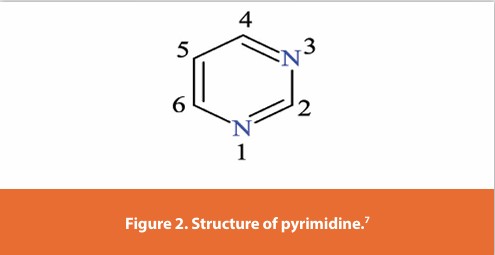
Recently discovered findings that specific pyrimidine-fused derivatives, which are vital for cell life, significantly inhibit mammalian gβ-glucosidaseenzyme have greatly increased our understanding of both DNA and RNA.4,5 Similarly like the chemical compound pyrimidine is a heterocyclic hexagonal aromatic circle that contains two nitrogenous atoms at sites 1 and 3. The size of these categories varies according to the number of distinct organic and inorganic chemicals that include pyrimidines.6 The synthetic heterocycle, also known as the pyrimidine molecule, is composed of two nitrogen molecules and four carbon atoms. Numbers are allocated to atoms in clockwise order. Locations 1 and 3 contain the atoms of nitrogen. Carbamoyl phosphate is the source of carbon 2 and nitrogen 3.7
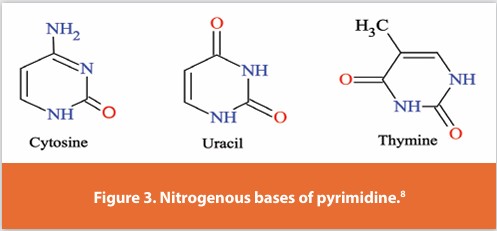
Uracil, cytosine, and thymine are the main pyrimidines that make up the uridine, cytidine, and thymidine ribonucleosides, as well as their corresponding deoxynucleotides, respectively. Cytosine and thymine are the fundamental components of the genetic material, while cytosine and uracil are found in strands of RNA.8
Pyrimidine derivatives are essential for several biological activities, such as anticancer,9 anti-HIV, antiviral,10 anti-histaminic,11, and antibiotic.12 The different modifications that must be introduced to a scaffolding continue to be a fascinating subject for medicinal chemistry researchers due to their diverse biological effects
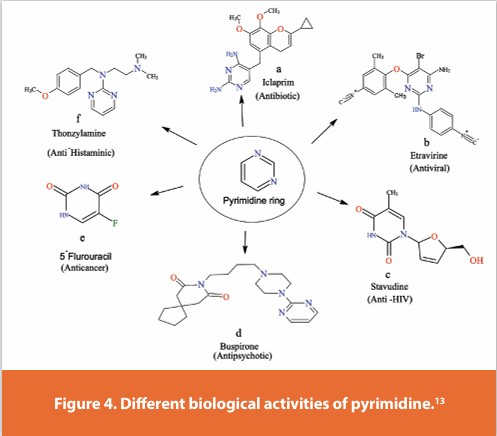
A common metabolic illness that causes hyperglycemia and its aftereffects is type 2 diabetes mellitus. Globally, over 537 million individuals between the ages of twenty and seventy are impacted; by the years 2030 and 2045, that figure is anticipated to increase to 643 million and 783 million individuals, respectively.14 Some pyrimidines have anti-glucosidase and diabetes-related effects, and some are produced as α-glucosidase/α-amylase blockers. It has been shown that pyrimidines, particularly pyrimidine-fused heterocycles, are highly effective inhibitors of enzymes for diabetes.15
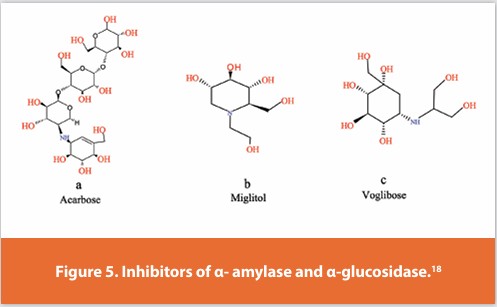
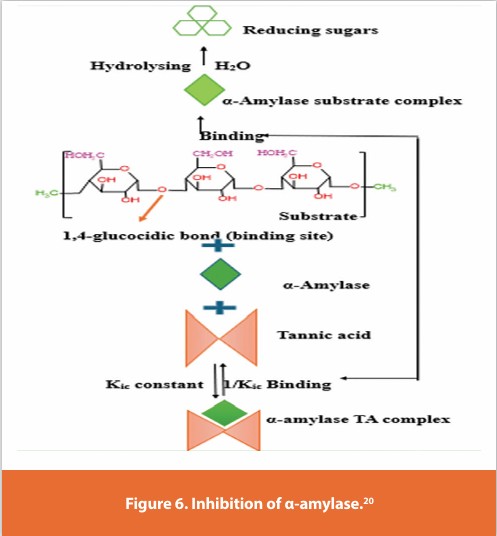
Alpha-amylases are calcium metabolic enzymes that are vital to human metabolism because they hydrolyze starch, amylopectin, amylose, glycogen, and maltodextrins. Studies are being conducted to lower the amylase protein’s function to control hyperglycemia.16 By inhibiting carbohydrase-related enzymes, among which are α-amylase and α-glucosidase, medicines like miglitol, acarbose, and voglibose decrease the taking in of glucose and reduce the risk of being diagnosed with type 2 diabetes 17
This work finds, creates, and assesses dihydropyrimidines through wet lab and computational approaches. The targets of proteins are identified and localized by in silico computational modeling.19
Pyrimidine as an Antidiabetic Agent
A. Alpha amylase inhibitor
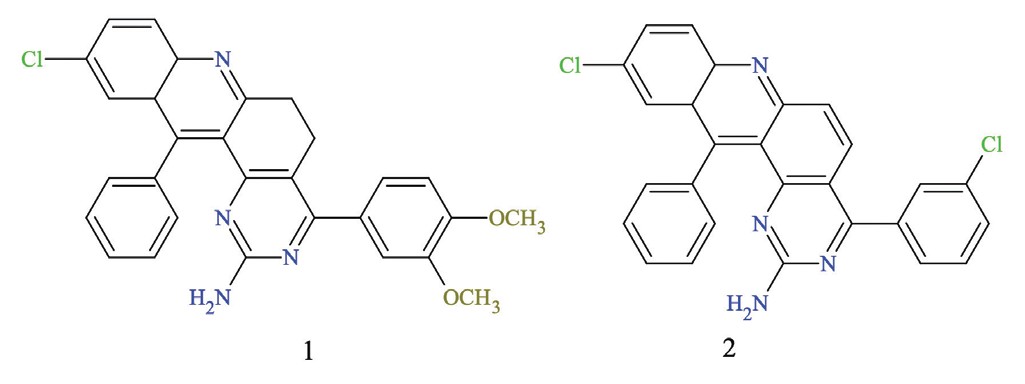
Bharathi A et al. (2014) utilized synthetic compounds 1 and 2, and the inhibiting effect of α-amylase and α-glucosidase was assessed in vitro.21
Naveen K et al. (2016) produced components 3 and 4, which exhibit excellent α-amylase blocking inhibition properties.22
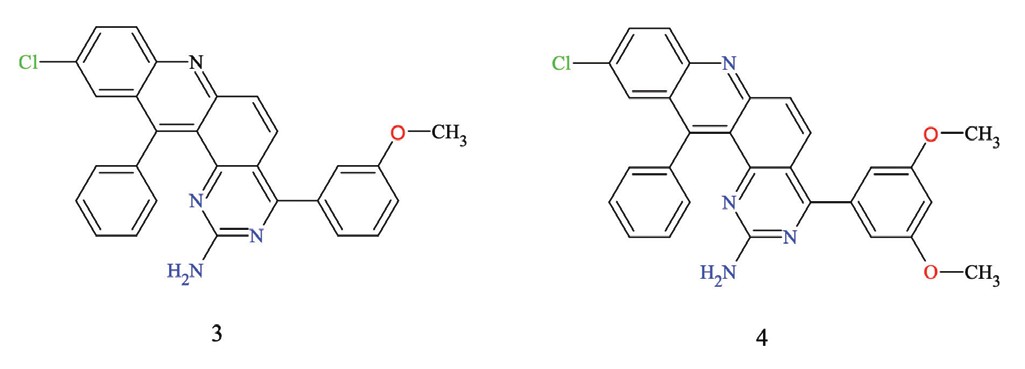
Nabil S et al. (2018) reported that molecules 5 and 6 had strong blocking effects towards the amylase enzyme when the α-amylase blocking behavior of the curcumin pyrimidine derivatives at varying doses was investigated.
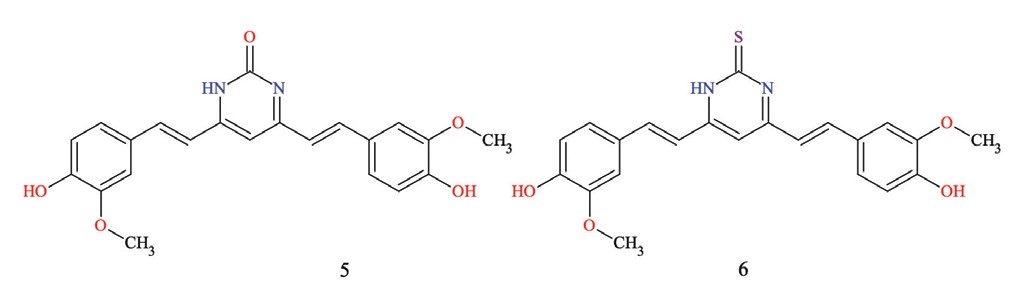
Reddy BN et al (2019) described several pyrazolo[3,4-d] amide scaffolds that were created and tested for whether they could block α-amylase in vitro. Findings showed that analogs 7 and 8 were highly active and efficient 24
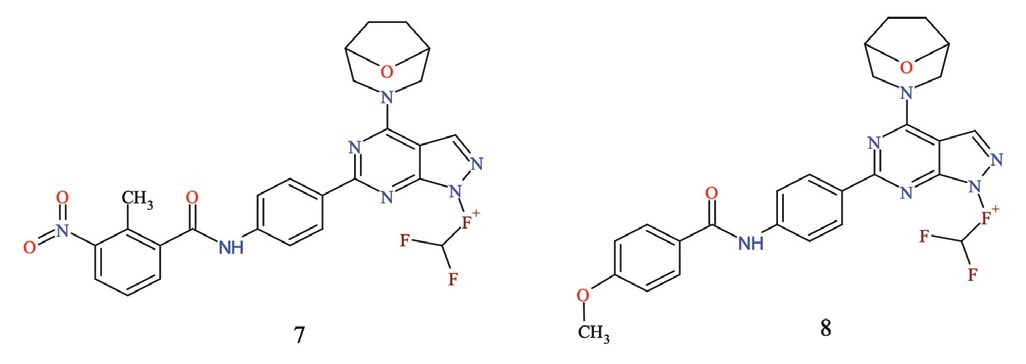
Kalsoom S et al. (2021): created and evaluated fusing pyrimidine derivatives’ anti-diabetic properties; molecules 9 and 10 performed well since they had pyridine and a thino-pyrimidine scaffolds 25
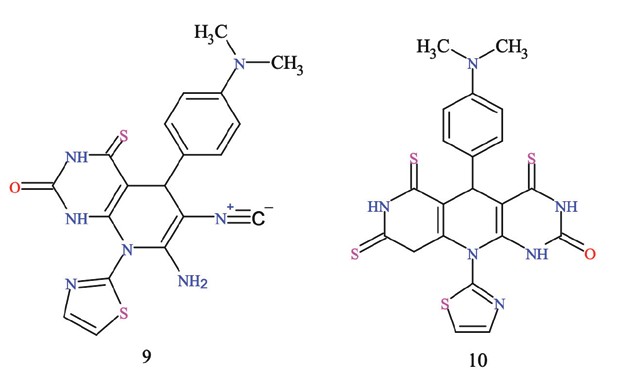
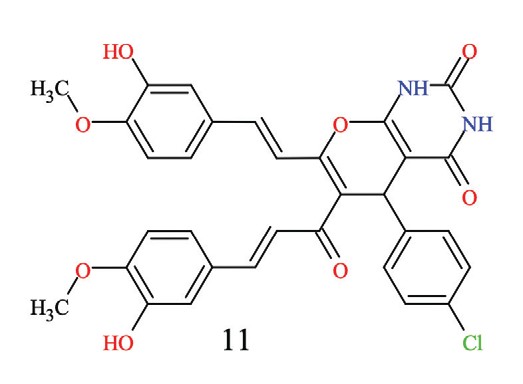
Hajlaoui A et al. (2021): was created by synthesis Triazole, pyranotriazolopyrimidines, and pyranotriazolopyrimidines, all have possible antidiabetic effects. A novel series of compound 11 was created using a simultaneous reactivation technique.26
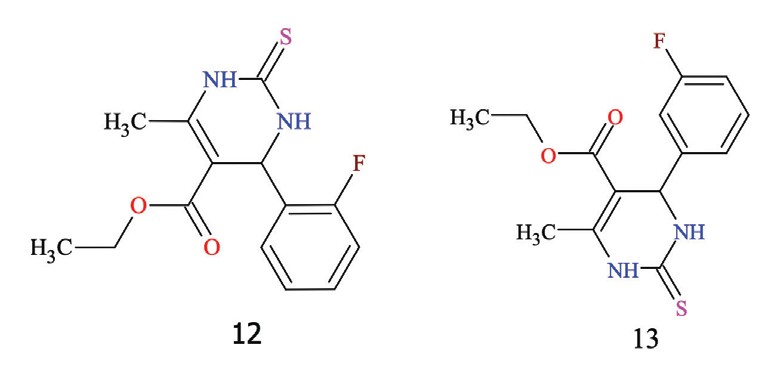
Arshad U et al. (2021): generated compounds 12 and 13 exhibited good to mild α-amylase inhibition activity, indicating promise for MTT cytotoxic and anti-diabetic tests.27
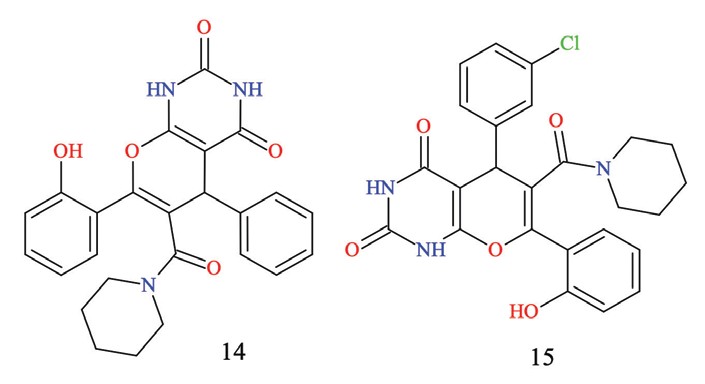
Naik MD et al. (2021): The α-glucosidase protein can be inhibited more effectively by synthetic compounds than by the α-amylase enzyme.28
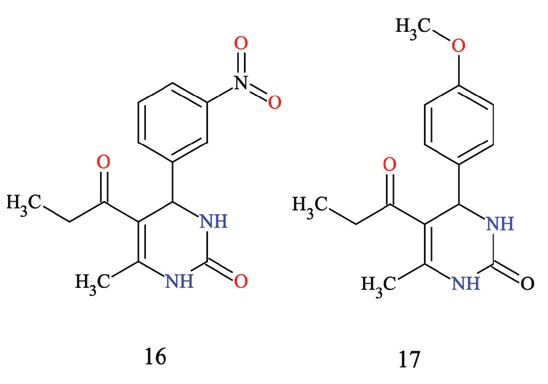
Khasimbi S et al. (2021): was produced as Compounds 16 and 17 primarily stop the α-amylase enzyme from working.29
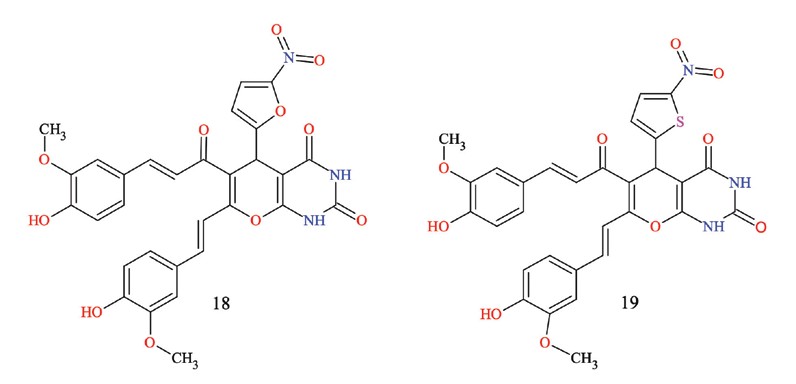
Mehrabi M et al. (2021)reported α-that Glu and α-Amy enzyme functioning has been determined to be reduced by curcumin-based pyrano[2,3-d] pyrimidine substitutes, including compounds 18 and 19, showing the strongest inhibition of the α-Amy enzyme.30
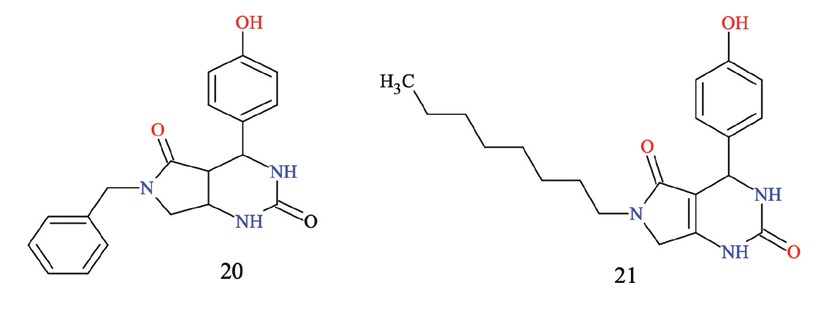
Ilyas U et al. (2022) introduced chemicals 20 and 21, which were found to have strong antidiabetic potential because of their α-amylase inhibition action.31
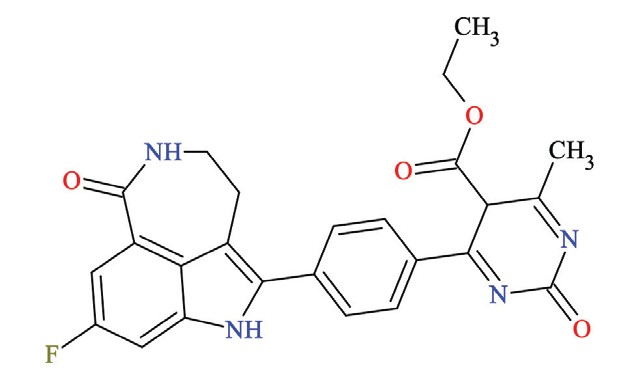
Pansuriya K et al. (2022): synthesised molecules 22 having urea-based pyrimidine groups and azepino and indole rings, shown effective α-amylase inhibition.32
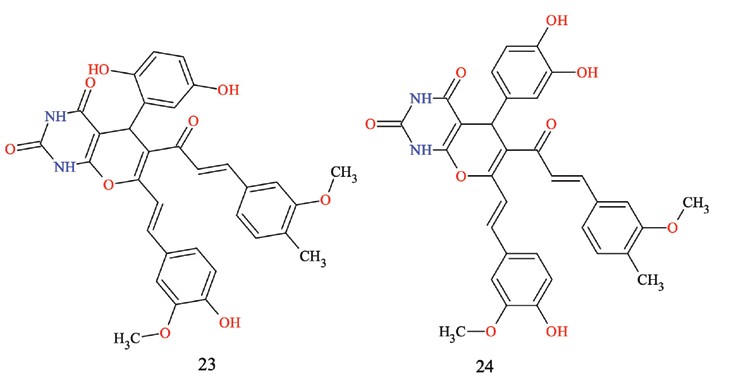
El-Khateeb AY et al. (2022): produced chemicals 23 and 2,4, which showed the strongest effects on the α-Amylase activity 33
Gupta T et al. (2023) reported that Compounds 25 and 26 showed solid activity when examined in terms of their α-amylase inhibitory action (3,5-dinitro salicylic acid).34
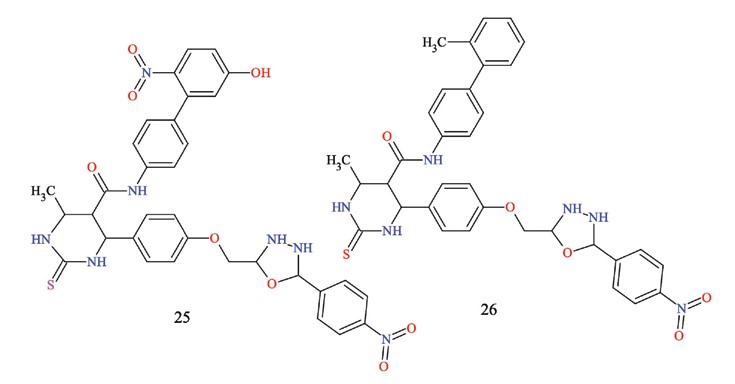
Zala AR et al. (2023): synthesized compounds 27 and 28, which showed good to excellent inhibitory effects when assessed using their in vitro α-amylase inhibitory activity at varying dosages.35
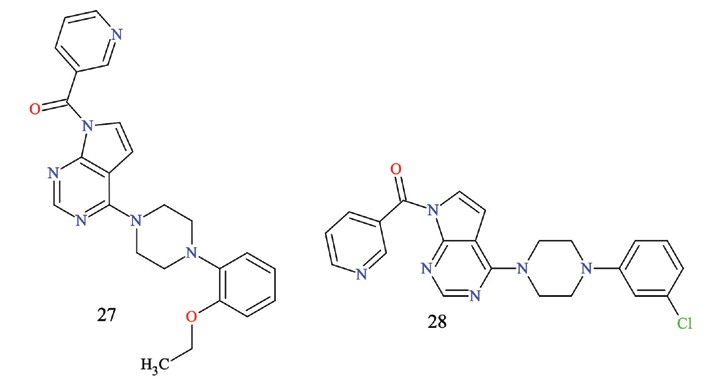
Banupriya S et al. (2024): matched to the original reference, acarbose, the latest synthesized chemical 29 demonstrated antidiabetic efficacy. Improved - α-amylase inhibition was demonstrated by derivatives 36
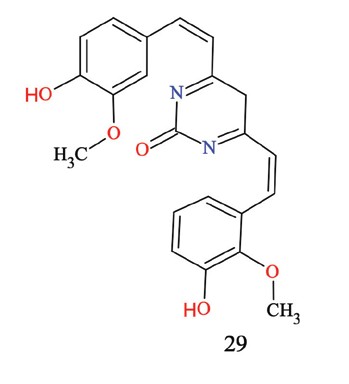
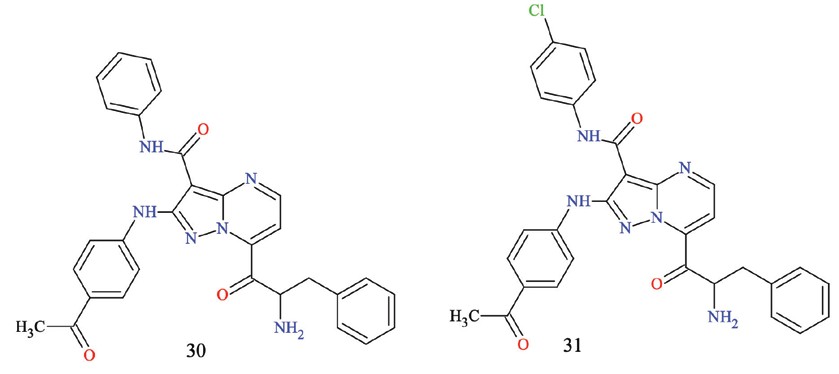
Almehizia AA et al. (2024): reported in comparison with conventional acarbose at an identical quantity, it was discovered that N-(4-chlorophenyl)-pyrazolo[1,5-a] pyrimidine derivatives 30 and 31 had the strongest blocking impact on α-amylase.37
Zaman H et al. (2024): In compounds 32 and 33, it was discovered that substituents placed at the para-position of phenyl rings greatly increase the inhibitory effect of the α-amylase enzyme.38
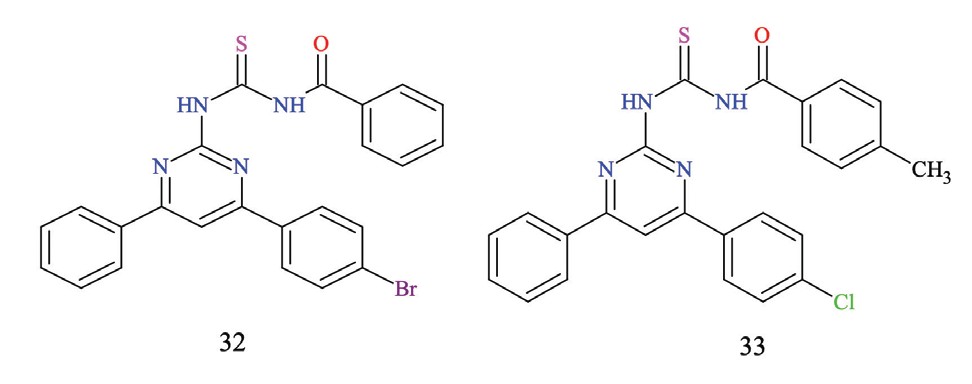
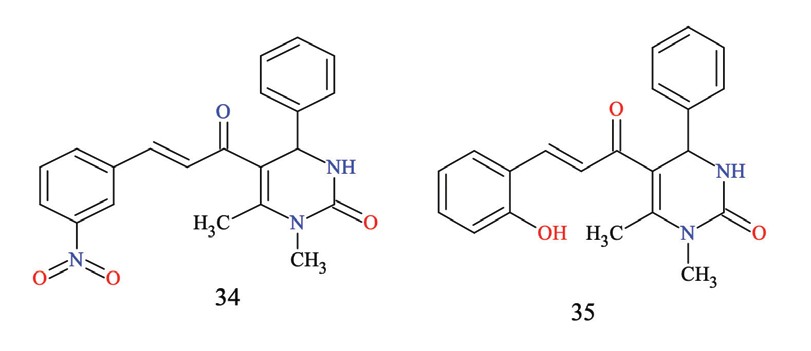
Khalid T et al (2024) showed great promise in this field after synthesizing pyrimidine derivatives 34 and 35 and assessing their in vitro anti-diabetic efficacy against the α-amylase enzyme.39
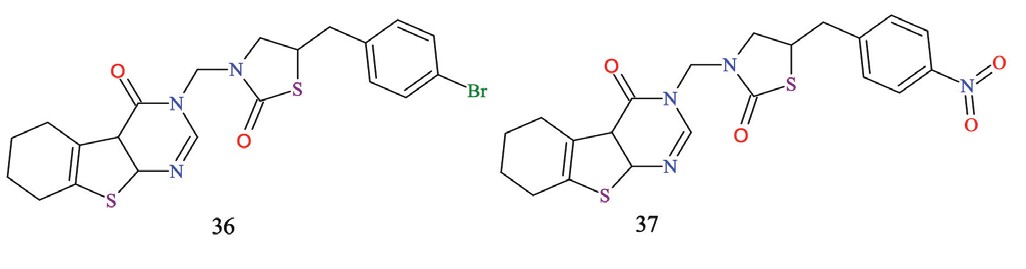
Seboletswe P et al. (2025): created substances 36 and 37 that were scientifically assessed for their α-amylase in vitro would significantly impact their α-amylase.40
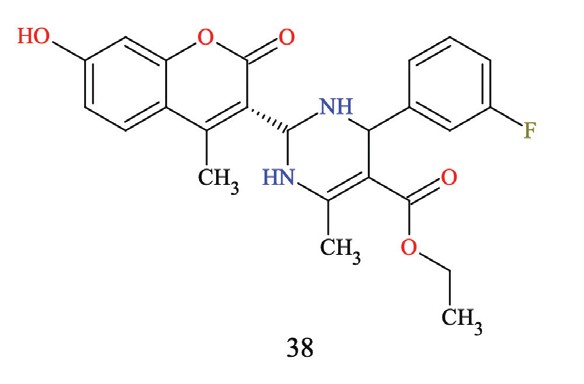
Rashid M et al. (2025) reported component 38 to be more effective when evaluated for its capacity to avoid type II diabetes. The targeted chemical showed effective suppression in 38 anti-diabetic experiments 1.
Elsayed DA et al. (2025): described compounds 39 and 40 showed the strongest binding ability when the α-amylase inhibition rate was calculated using acarbose as the baseline value.42
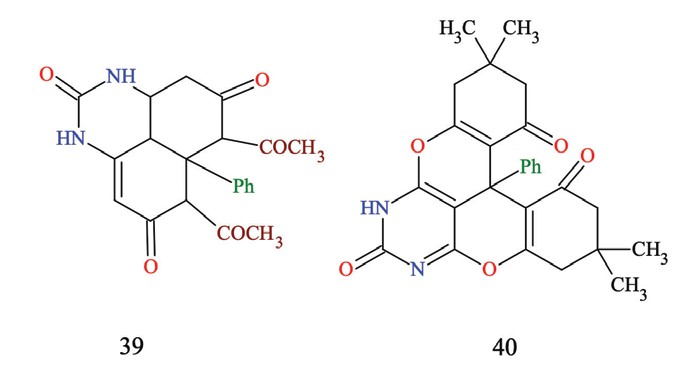
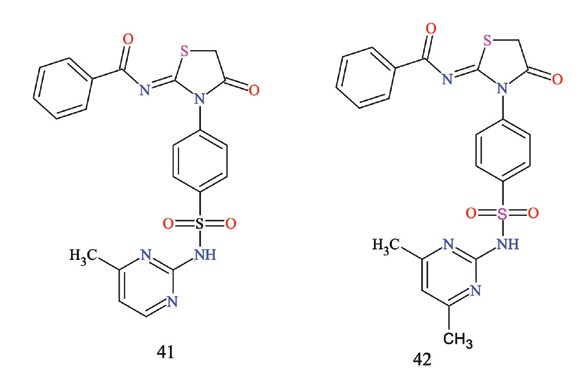
Sakarya MT et al. (2025) showed that synthesized compounds 41 and 42 were more potent inhibitors than reference acarbose towards αα-amylase4.3
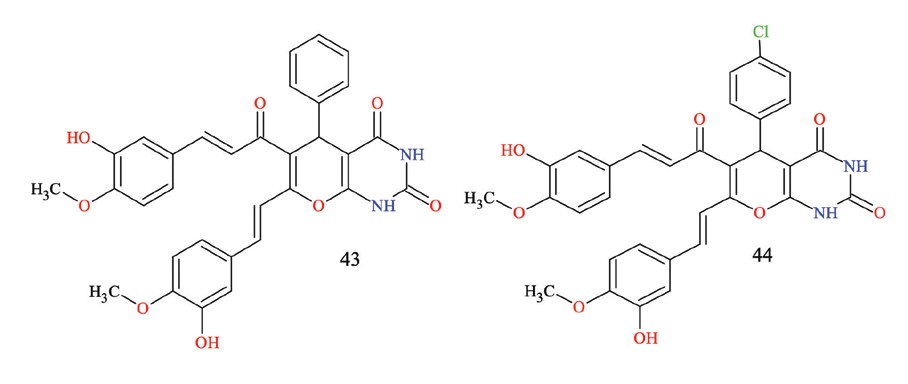
Yousefi A et al. (2025) reported that to reduce hyperglycaemia after a meal, the investigation sought to develop novel anti-diabetic curcumin derivatives 43 and 44 that have inhibitory activities towards α-amylase and α-glucosidase.44
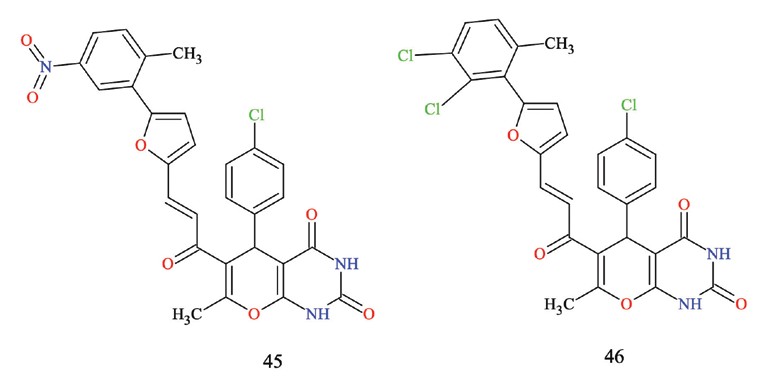
Fatima M et al. (2025): identified the diabetes prevention effects of novel synthesized pyrano[2,3-d] pyrimidines were assessed in vitro in this study, and the results demonstrated substantial inhibitory impact in combinations with α aα-amylasesuppression. 45
B. Alpha-glucosidase inhibitor
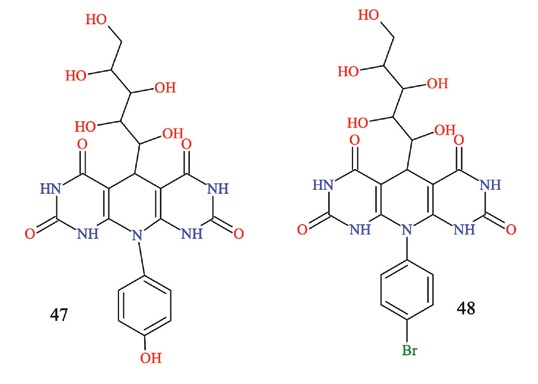
Yousefi R et al. (2012) recently created substances 47 and 48 that were tested in their capacity to interfere with the α-glucosidase enzymes in mice and yeast.46
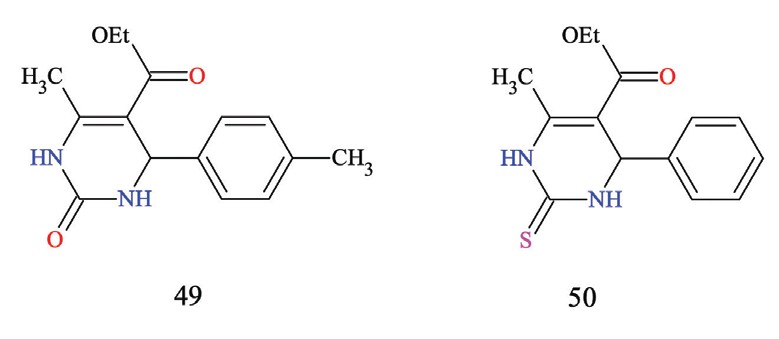
Yar M et al. (2014): Innovative substances 49 and 50 were investigated regarding being ability to interfere with α-glucosidase activity, and the produced compounds demonstrated encouraging α-glucosidase action.47
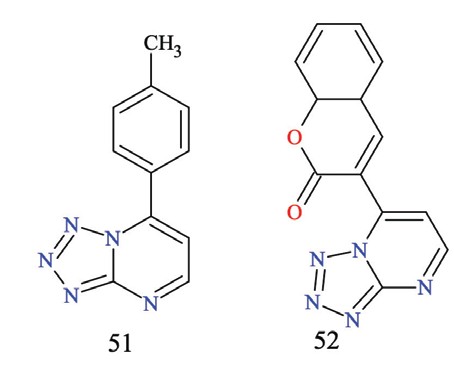
Suresh L et al. (2016) reported that, based on their respective Michaelis-Menten kinetics results, it was discovered that the compounds tested 51 and 52 preferentially inhibited α-glucosidase activity.
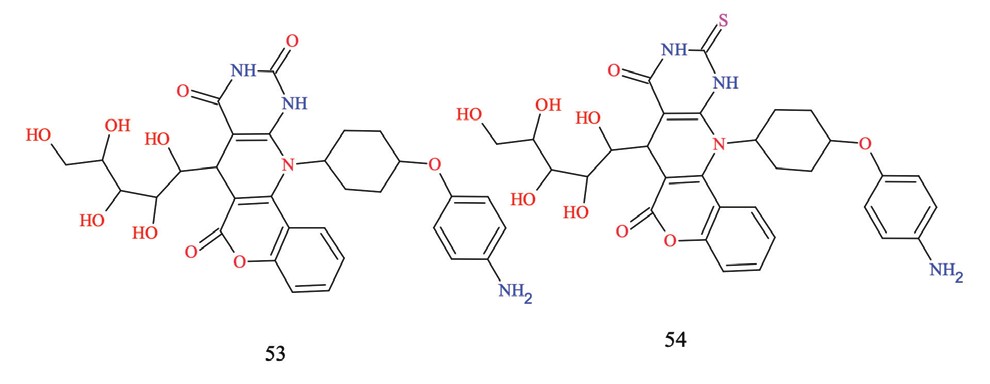
Sahu M et al (2016) found that substances 53 and 54 exhibited strong α-glucosidase inhibiting properties and could be a useful anti-diabetic medication.49
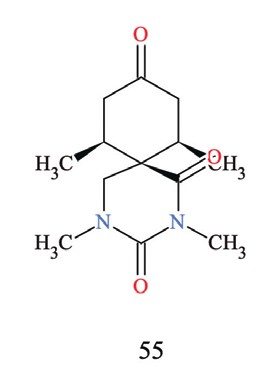
Beena KP et al. (2016): produced several dihydropyrimidine derivatives and assessed their ability to block the α-glucosidase action 50
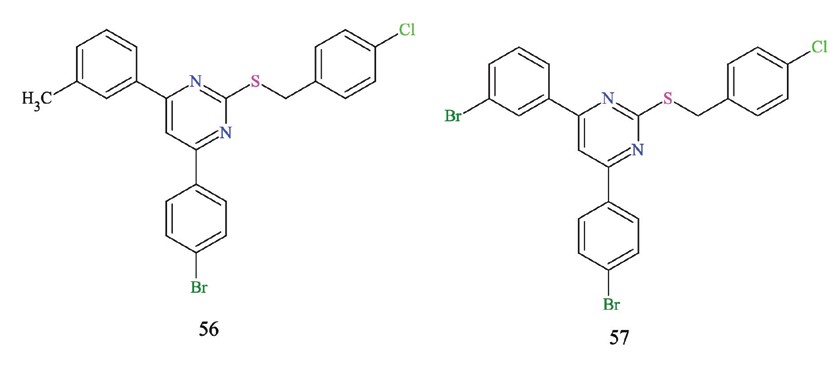
Gong Z et al. (2017) recently produced 2-substituted-4,6 diarylpyrimidines that have been studied for their ability to inhibit α-glucosidase in vitro. The most efficient agents towards α-glucosidase were 56 and 57.51
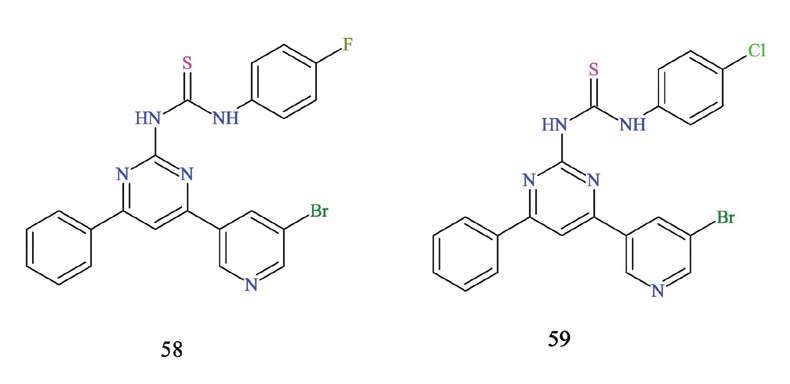
Ur Rehman T et al. (2017) studied molecules 58 and 59 that were evaluated for the presence of α-glucosidase. These substances showed good mild to moderate inhibitory potential, according to the data.52
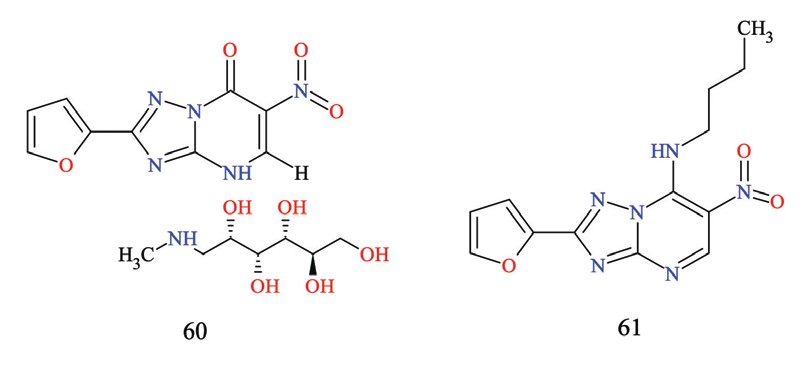
Spasov AA et al. (2017): evaluated the analyzed chemicals’ anti-diabetic qualities by looking at how they inhibited diabetes towards α-glucosidase glycogen phosphorylase, and dipeptidyl peptidase 4 (DPP4). 60 and 61 are α-glucosidase inhibiting agents 53
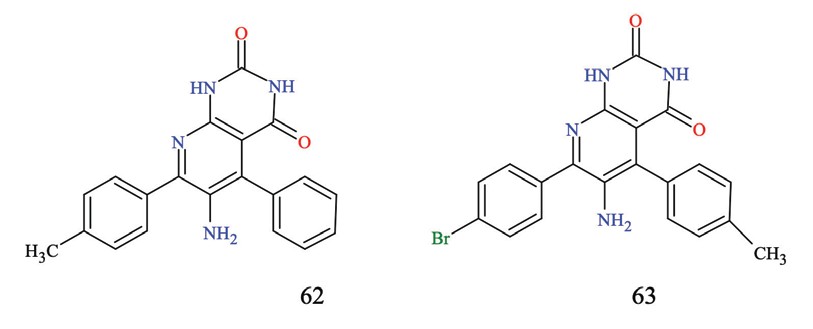
Adib M et al. (2018) studied the synthetic chemicals 62 and 63 and their in vitro α-glucosidase inhibitory activities, have were contrasted to acarbose as a standard, showing a good reduction of 54
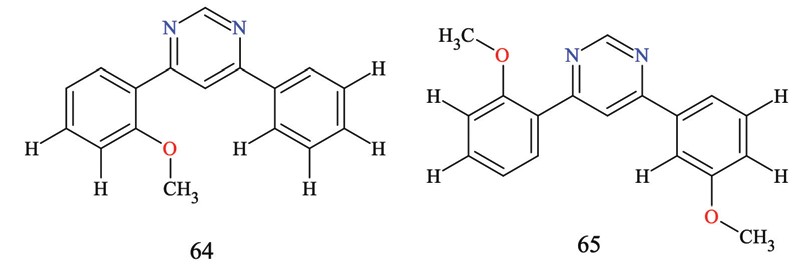
Fandakli S et al. (2018): Compounds 64 and 65, which were not assessed for their α-glucosidase enzyme activity, showed a stronger inhibitory impact than acarbose, and both α-glucosidase inhibitors are employed as antidiabetic medications55
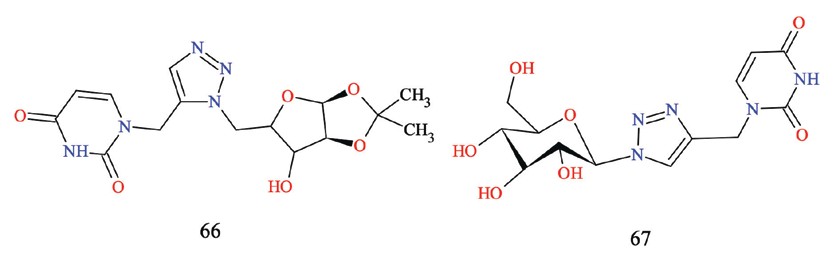
Thakur RK et al. (2018) were assessed for their ability to block the α-glucosidase molecule, and metabolites 66 and 67 showed 56
Mehraban MH et al. (2019) reported that our PFH ligands were the subject of a computer simulation to investigate their attachment locations on hMGAM, an enzyme that breaks down carbohydrates in the human lumen. 57
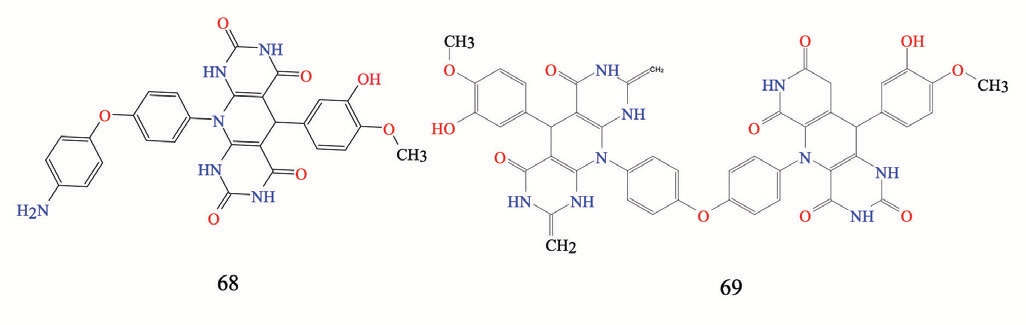
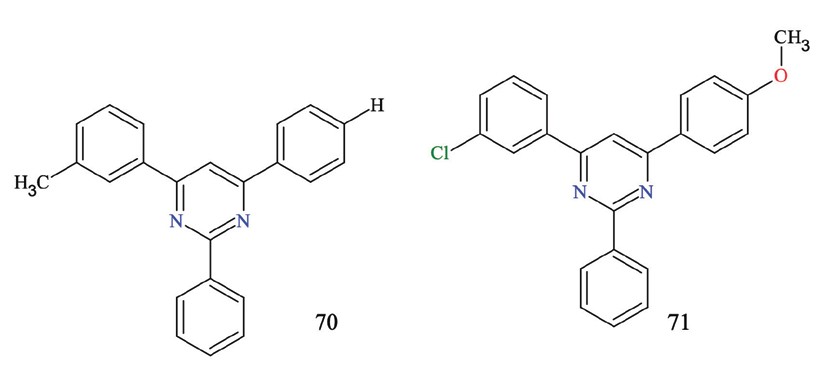
Bule MH et al. (2019): evaluated the inhibiting effect of produced compounds in vitro via contrasting between the studied pyrimidine analogs and the conventional medication acarbose 70 and 71.58
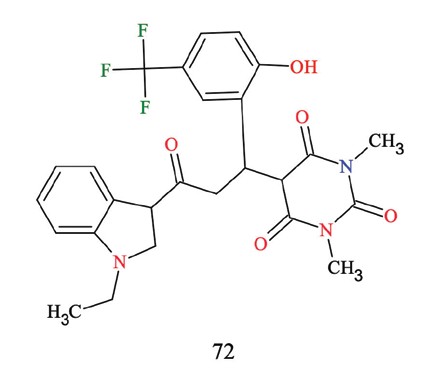
Badria FA et al. (2019) determined that the component with the highest α-glucosidase efficiency is 72.59
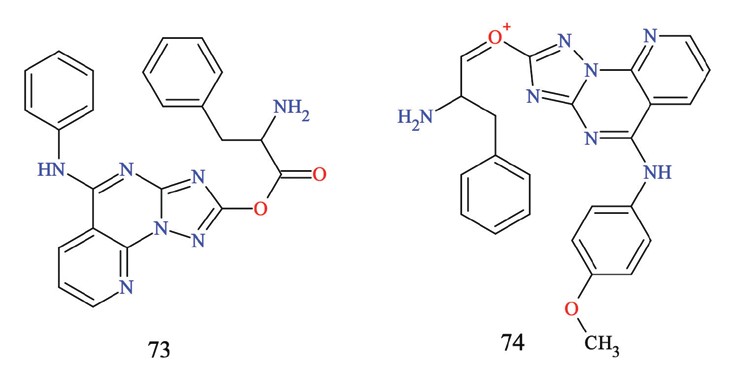
Abuelizz HA et al. (2019): produced, identified, and put through an α-glycosidase inhibiting test 73 and 74 substances that exhibited over 50% of the typical level reduction.60
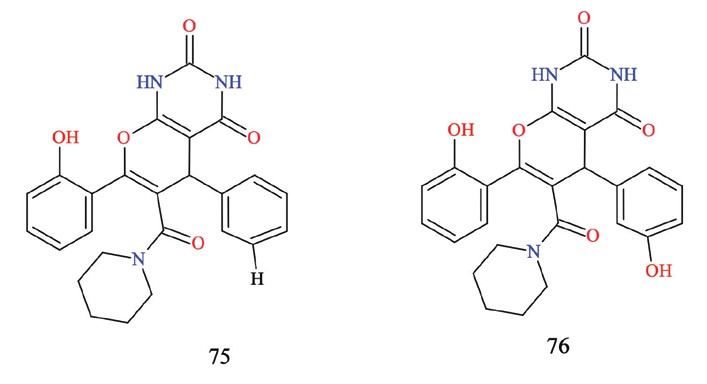
Naik MD et al. (2020) reported that the manufactured substrates are much better compared to αthe -mα-amylasenhibitor at suppressing the production of α-glucosidase.61
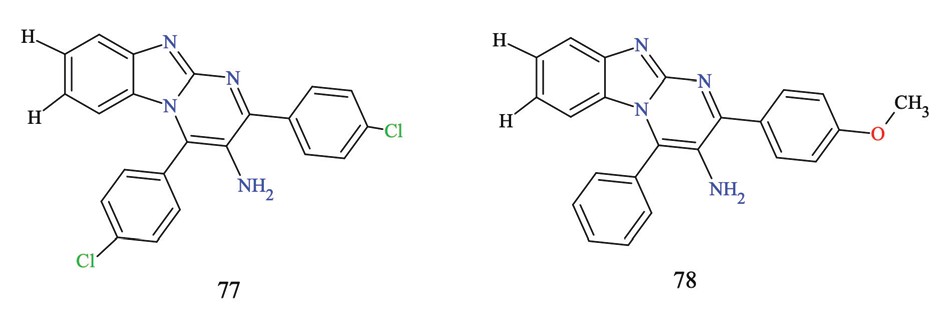
Peytam F et al. (2021) determined substance 77 and 78 to be the strongest α-glucosidase inhibitors among the substances that could be made from the following compounds: [4,5] imidazo[1,2-a] pyrimidines.62
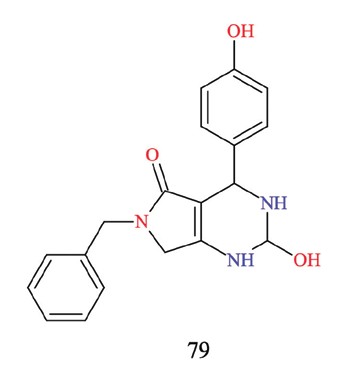
Ilyas U et al. (2022) examined selected substances 79 to identify their antidiabetic properties using the α-glucosidase inhibitory tests, which produced findings.63
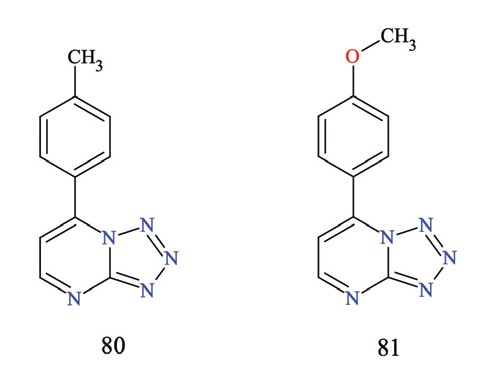
Trifonov RE et al. (2023) created alpha glucosidase blockers that have similarities to dihydrotetrazolopyrimidines 80 and 81. These substances demonstrated superior α-glucosidase inhibit action.64
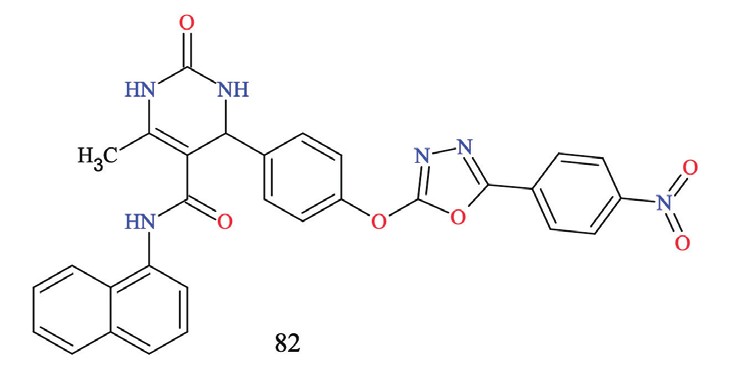
Kamat V et al. (2023) reported a simple and efficient method for synthesizing functionally varied 1,2,3,4-tetrahydropyrimidine5-carboxamide compounds was developed. Compound 82 demonstrated good blocking compared to its derivatives.65
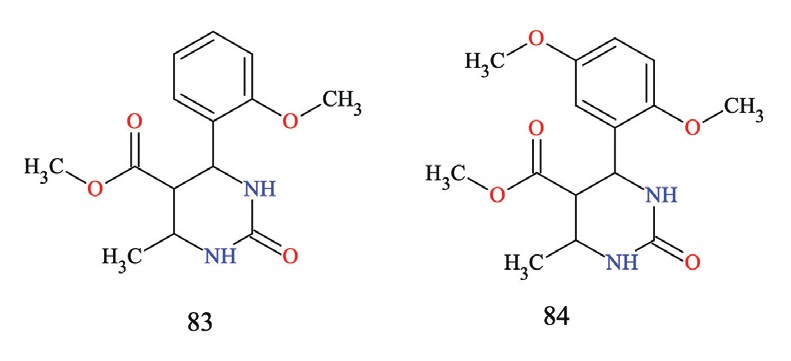
Ali SP et al. (2024) identified dihydropyrimidone variants that showed encouraging α-glucosidase inhibitory action, with components 83 and 84 recognized as strong competitively inhibition.66
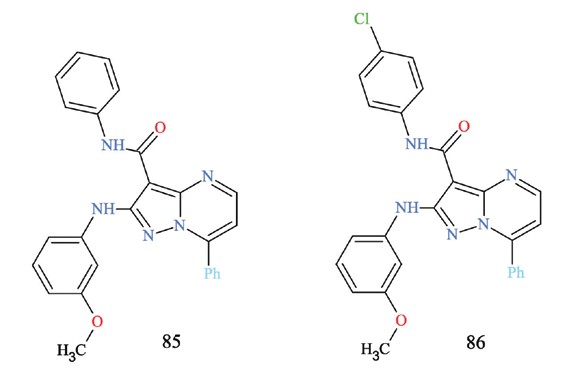
Almehizia AA et al. (2024) evaluated the two pyrazolo[1,5-a] pyrimidine derivatives 85 and 86 with the greatest inhibition α-glucosidase activity were tested for their anti-diabetic properties.67
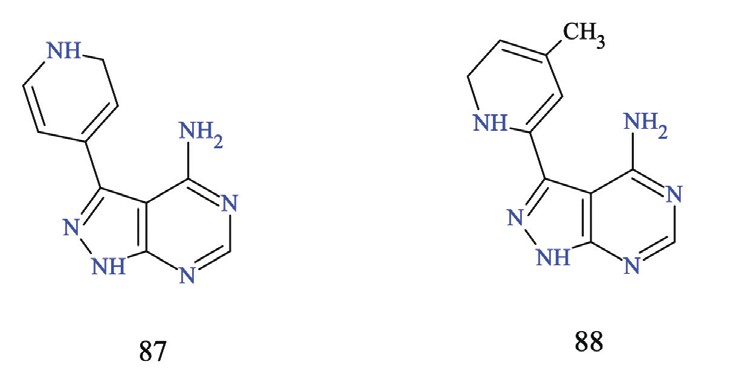
Cele N et al. (2024) reported the OCF3-substituted molecule was the most powerful α-glucosidase antagonist in general, and compounds 87 and 88 were also more effective than acarbos.68
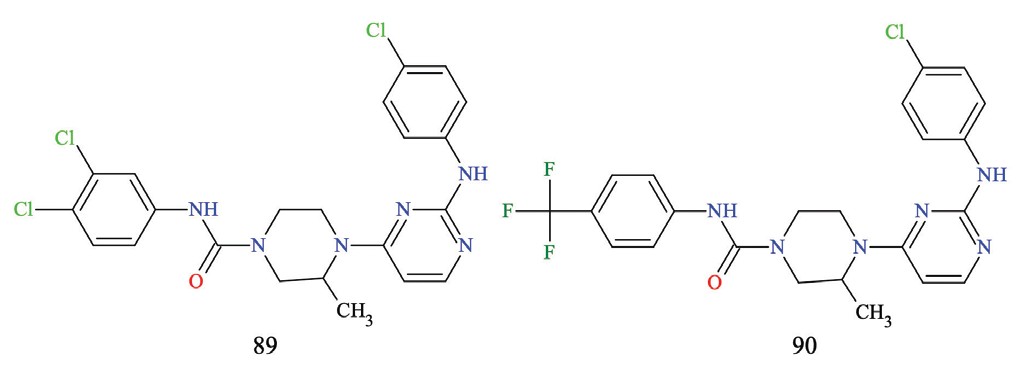
Herfindo N et al. (2025) identified the α-glucosidase inhibition action of a variety of pyrimidinyl-piperazine carboxamide derivatives which were produced was examined. In entirety, the produced compounds 89 and 90 demonstrated good inhibition of α-glucosidase.69
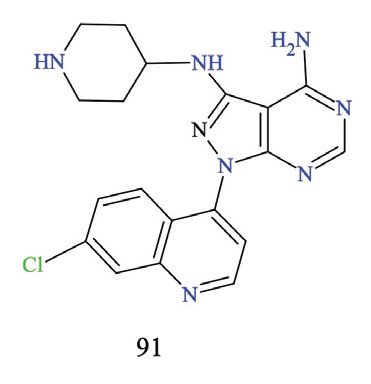
Kobesy MR et al. (2025) compound 91 showed higher α-glucosidase inhibitory activity.70
Conclusion
We have investigated the pyrimidine molecule and its several synthetic alternatives in this extensive systematic study, exploring their possible medical uses. With values ranging from 1 to 46 for α-amylase inhibition and from 47 to 91 for α-glucosidase inhibition, our results showed a notable variation in the percentages linked to the availability of anti diabetic drugs. Finally, it was determined that pyrimidine and its analogs, which specifically inhibit the metabolic enzymes α-amylase (α-Amy) and α-glucosidase, are essential for the management and treatment of diabetes following a thorough review of the scientific literature. Incredibly beneficial possibilities for further research and implementation of this chemical in future treatment techniques targeted at fighting diabetes are suggested by this persuasive data.
Acknowledgement
We express our gratitude to the administration, principal, and head of the SSM College of Pharmacy and Research Center at BLDEA in Vijayapur, Karnataka, 586103. Additionally, we are grateful to Dr. R. R.B.B.Kotnal and Dr. Somashekhar Metri of the Pharmaceutical Chemistry Department.
Conflict Of Interest
All the authors have no conflicts of interest.
References
- Sathisha K, Gopal S, Rangappa K. Biological activities of synthetic pyrimidine derivatives. World Journal of Pharmaceutical Research. 2016;5(2):1467-91.
- Garg P, Rawat RS, Bhatt H, Kumar S, Reddy SR. Recent developments in the synthesis of N‐heterocyclic compounds as α‐amylase inhibitors via in vitro and in silico analysis: Future drugs for treating diabetes. Chemistry Select. 2022 Jul 27;7(28): e202201706.
- Barakat A, Soliman SM, Al-Majid AM, Lotfy G, Ghabbour HA, Fun HK, Yousuf S, Choudhary MI, Wadood A. Synthesis and structure investigation of novel pyrimidine-2, 4, 6-trione derivatives of highly potent biological activity as an anti-diabetic agent. Journal of Molecular Structure. 2015 Oct 15; 1098:365-76.
- Nima HH, Shntaif AH. Synthesis of new pyrimidine derivatives and study their antibacterial activity: Computational and in vitro assessment. Journal of Umm Al-Qura University for Applied Sciences. 2025 Apr 10:1-8.
- Zarenezhad E, Farjam M, Iraji A. Synthesis and biological activity of pyrimidines-containing hybrids: Focusing on pharmacological application. Journal of Molecular Structure. 2021 Apr 15; 1230:129833.
- Mallidi K, Gundla R, Jeedimalla N, Raghupathi JK, Jonnalagadda SB, Katari NK. Pyrimidine fused heterocyclic derivatives: Design, in silico, in vitro, anti-microbial, antidiabetic, and anti-biofilm studies. Results in Chemistry. 2025 Mar 1; 14:102106.
- Bukhari MH. Synthesis, characterization, and biological studies of opyrimidine-related compounds (Doctoral dissertation, Ph. D. Thesis).
- Asha Kumari, Chapter 19 - Pyrimidine Structure, Editor(s): Asha Kumari, Sweet Biochemistry, Academic Press, 2018, Pages 99-100, ISBN 9780128144534, https://doi. Org/10.1016/B978-0-12-814453-4.00019-4.
- Rani J, Kumar S, Saini M, Mundia J, Verma PK. Biological potential of pyrimidine derivatives in a new era. Research on Chemical Intermediates. 2016 Sep; 42:6777-804.
- ELkANzI NA. Synthesis and Biological Activities of Some Pyrimidine Derivatives:(A-Review). Oriental Journal of Chemistry. 2020 Dec 1;36(6).
- Ban M, Taguchi H, Katsushima T, Aoki S, Watanabe A. Novel antiallergic agents. Part I: Synthesis and pharmacology of pyrimidine amide derivatives. Bioorganic & medicinal chemistry. 1998 Jul 1;6(7):1057-67.
- Ahmed K, Choudhary MI, Saleem RS. Heterocyclic pyrimidine derivatives as promising antibacterial agents. European Journal of Medicinal Chemistry. 2023 Nov 5; 259:115701.
- Patil SB. Recent medicinal approaches of novel pyrimidine analogs: A review. Heliyon. 2023 Jun 1;9(6).
- Amin S, Sheikh KA, Iqubal A, Khan MA, Shaquiquzzaman M, Tasneem S, Khanna S, Najmi AK, Akhter M, Haque A, Anwer T. Synthesis, in-silico studies and biological evaluation of pyrimidine-based thiazolidinedione derivatives as potential anti-diabetic agent. Bioorganic Chemistry. 2023 May 1; 134:106449.
- Kumar NS, Kumar GR, Padhy H, Karunakar P, Maddila S. Synthesis, activity, docking, and dynamic simulation studies of novel pyrazolo-pyrano [2, 3-d]-pyrimidine analogues as anti-diabetic agents. Journal of Molecular Structure. 2024 Jun 5; 1305:137720.
- Kaur N, Kumar V, Nayak SK, Wadhwa P, Kaur P, Sahu SK. Alpha‐amylase as molecular target for treatment of diabetes mellitus: A comprehensive review. Chemical biology & drug design. 2021 Oct;98(4):539-60.
- Taha M, Alrashedy AS, Almandil NB, Iqbal N, Anouar EH, Nawaz M, Uddin N, Chigurupati S, Wadood A, Rahim F, Das S. Synthesis of indole derivatives as diabetics II inhibitors and enzymatic kinetics study of α-glucosidase and α-amylase along with their in-silico study. International journal of biological macromolecules. 2021 Nov 1; 190:301-18.
- Yousefi R, Alavian-Mehr MM, Mokhtari F, Panahi F, Mehraban MH, Khalafi-Nezhad A. Pyrimidine-fused heterocycle derivatives as a novel class of inhibitors for α-glucosidase. Journal of enzyme inhibition and medicinal chemistry. 2013 Dec 1;28(6):1228-35.
- Kalsoom S, Khalid T, Anwar S, Farrukh A, Lizhen G, Jafri L, Saleem S. Molecular Docking, Synthesis and Antidiabetic Studies of Pyrimidine Derivatives. Synthesis and Antidiabetic Studies of Pyrimidine Derivatives.
- Zhang J, Li C, Wang G, Cao J, Yang X, Liu X, Sun L. α-Amylase inhibition of a certain dietary polyphenol is predominantly affected by the concentration of α-1, 4-glucosidic bonds in starchy and artificial substrates. Food Research International. 2022 Jul 1; 157:111210.
- Bharathi A, Roopan SM, Vasavi CS, Munusami P, Gayathri GA, Gayathri M. In Silico Molecular Docking and In Vitro Antidiabetic Studies of Dihydropyrimido [4, 5‐a] acridin‐2‐amines. BioMedResearch International. 2014;2014(1):971569.
- Naveen K, Sai K, Chandana K. Synthesis, Characterization, and screening of novel 5, 6-dihydroacridine derivatives as potent antidiabetic and antioxidant agents. Journal of Basic and Applied Research in Biomedicine. 2025 Jan 1;2(2):176-84.
- Nabil S, Abd El-Rahman SN, Al-Jameel SS, Elsharif AM. Conversion of curcumin into heterocyclic compounds as potent anti-diabetic and anti-histamine agents. Biological and Pharmaceutical Bulletin. 2018 Jul 1;41(7):1071-7.
- Reddy BN, Ruddarraju RR, Kiran G, Pathak M, Reddy AR. Novel Pyrazolo [3, 4‐d] pyrimidine‐Containing Amide Derivatives: Synthesis, Molecular Docking, In Vitro and In Vivo Antidiabetic Activity. Chemistry Select. 2019 Sep 13;4(34):10072-8.
- Kalsoom S, Khalid T, Anwar S, Farrukh A, Lizhen G, Jafri L, Saleem S. Molecular Docking, Synthesis and Antidiabetic Studies of Pyrimidine Derivatives. Synthesis and Antidiabetic Studies of Pyrimidine Derivatives.
- Hajlaoui A, Laajimi M, Znati M, Jannet HB, Romdhane A. Novel pyrano-triazolo-pyrimidine derivatives as anti-α-amylase agents: Synthesis, molecular docking investigations, and computational analysis. Journal of Molecular Structure. 2021 Aug 5; 1237:130346.
- Arshad U, Ahmed S, Shafiq N, Ahmad Z, Hassan A, Akhtar N, Parveen S, Mehmood T. Structure-based designing, solvent-less synthesis of 1, 2, 3, 4-tetrahydropyrimidine-5 carboxylate derivatives: A combined in vitro and in silico screening approach. Molecules. 2021 Jul 22;26(15):4424.
- Naik MD, Bodke YD, Naik JK. An efficient multicomponent synthesis of 1 H-pyrano [2, 3-d] pyrimidine-2, 4 (3 H, 5 H)-dione derivatives and evaluation of their α-amylase and α-glucosidase inhibitory activity. Journal of Chemical Research. 2021 Mar;45(3-4):228-36.
- Khasimbi S, Ali F, Manda K, Sharma A, Chauhan G, Wakode S. Dihydropyrimidinones scaffold as a promising nucleus for synthetic profile and various therapeutic targets: A Review. Current Organic Synthesis. 2021 May 1;18(3):270-93.
- Mehrabi M, Esmaeili S, Ezati M, Abassi M, Rasouli H, Nazari D, Adibi H, Khodarahmi R. Antioxidant and glycohydrolase inhibitory behavior of curcumin-based compounds: Synthesis and evaluation of anti-diabetic properties in vitro. Bioorganic chemistry. 2021 May 1; 110:104720.
- Ilyas U, Nazir B, Altaf R, Muhammad SA, Zafar H, Paiva-Santos AC, Abbas M, Duan Y. Investigation of anti-diabetic potential and molecular simulation studies of dihydropyrimidinone derivatives. Frontiers in Endocrinology. 2022 Oct 12; 13:1022623.
- Pansuriya K, Lalpara JN, Hadiyal SD, Dhaduk BB, Dubal GG. Trimethylsilyl chloride-catalyzed synthesis of fluoro-substituted tetrahydropyrimidines: Molecular docking and antidiabetic studies. Chemical Data Collections. 2022 Oct 1; 41:100904.
- El-Khateeb AY, Hamed SE, Elattar KM. Recent advancements in the multicomponent synthesis of heterocycles integrated with a pyrano [2, 3-d] pyrimidine core. RSC advances. 2022;12(19):11808-42.
- Gupta T, Rani D, Nainwal LM, Badhwar R. Advancement in chiral heterocycles for the antidiabetic activity. Chirality. 2024 Feb;36(2): e23637.
- Zala AR, Tiwari R, Naik HN, Ahmad I, Patel H, Jauhari S, Kumari P. Design and synthesis of pyrrolo [2, 3-d] pyrimidine-linked hybrids as α-amylase inhibitors: Molecular docking, MD simulation, ADMET, and antidiabetic screening. Molecular Diversity. 2024 Jun;28(3):1681-95.
- Banupriya S, Pooja GS. Design, Synthesis, Characterization, and In Vitro Antidiabetic Activity Studies on Semisynthetic Derivatives of Curcumin. World Journal of Pharmaceutical Research. 2024 Apr 26;12(13):614-21.
- Almehizia AA, Aboulthana WM, Naglah AM, Hassan AS. In vitro biological studies and computational prediction-based analyses of pyrazolo [1, 5-a] pyrimidine derivatives. RSC advances. 2024;14(12):8397-408.
- Zaman H, Saeed A, Ismail H, Anwaar S, Latif M, Hashmi MZ, El-Seedi HR. Novel pyrimidine-linked acyl thiourea derivatives as potent α-amylase and proteinase K inhibitors: design, synthesis, molecular docking, and ADME studies. RSC advances. 2024;14(45):33235-46.
- Kalsoom S, Khalid T, Anwar S, Farrukh A, Lizhen G, Jafri L, Saleem S. Molecular Docking, Synthesis and Antidiabetic Studies of Pyrimidine Derivatives. Synthesis and Antidiabetic Studies of Pyrimidine Derivatives.
- Seboletswe P, Kumar G, Gcabashe N, Dhawan S, Manhas N, Khubone L, Idris A, Islam MS, Singh P. Antidiabetic evaluation of novel thienopyrimidinone-thiazolidinedione hybrids complemented with kinetic and computational investigations. Medicinal Chemistry Research. 2025 Aug 6:1-6.
- Rashid M, Sarwar W, Parveen S, Naz N, Rida F, Nawaz E, Shafiq N, Alkhalifah DH, Hozzein WN, Mohany M, Moveed A. De novo drug design and biological evaluation of coumarin pyrimidine co-drug derivatives as diabetic inhibitors: expanding a multi-algorithm approach with the integration of machine learning in pharmaceutical research. RSC advances. 2025;15(30):24270-88.
- Elsayed DA, Shehta W, El-Kalyoubi S, Selim A, Assy MG, Metwally O, Al-Kubaisi AA, Awad SA, Marzook F. Synthesis and radiolabelled evaluation of novel pyrimidine derivatives as dual α-amylase inhibitors and GIT-targeted molecular imaging probe. RSC advances. 2025;15(36):29544-59
- Sakarya MT, Gül Hİ, Yamalı C, Taslımı P, Tok TT. Molecular docking studies and biological activities of benzenesulfonamide-based thiourea and thiazolidinone derivatives targeting cholinesterases, α-glucosidase, and α-amylase enzymes. Journal of the Turkish Chemical Society Section A: Chemistry. 2023;10(2):385-424.
- Yousefi A, Yousefi R, Panahi F, Sarikhani S, Zolghadr AR, Bahaoddini A, Khalafi-Nezhad A. Novel curcumin-based pyrano [2, 3-d] pyrimidine anti-oxidant inhibitors for α-amylase and α-glucosidase: Implications for their pleiotropic effects against diabetes complications. International journal of biological macromolecules. 2015 Jul 1; 78:46-55.
- Fatima M, Aslam S, Fatima A, Muhammed MT, Chaudhry F, Irfan A, Rani S, Raish M, Mateev E, Jardan YA. Exploring the Antidiabetic Potential of Pyrimidine‐Derived Chalcones: Synthesis, Biological Evaluation, and Molecular Modeling. Chemistry Select. 2025 Jan;10(2): e202403306.
- Yousefi R, Alavian-Mehr MM, Mokhtari F, Panahi F, Mehraban MH, Khalafi-Nezhad A. Pyrimidine-fused heterocycle derivatives as a novel class of inhibitors for α-glucosidase. Journal of enzyme inhibition and medicinal chemistry. 2013 Dec 1;28(6):1228-35.
- Yar M, Bajda M, Shahzadi L, Shahzad SA, Ahmed M, Ashraf M, Alam U, Khan IU, Khan AF. Novel synthesis of dihydropyrimidines for α-glucosidase inhibition to treat type 2 diabetes: In vitro biological evaluation and in silico docking. Bioorganic Chemistry. 2014 Jun 1; 54:96-104.
- Suresh L, Onkara P, Kumar PS, Pydisetty Y, Chandramouli GV. Ionic liquid-promoted multicomponent synthesis of fused tetrazolo [1, 5-a] pyrimidines as α-glucosidase inhibitors. Bioorganic & Medicinal Chemistry Letters. 2016 Aug 15;26(16):4007-14.
- Sahu M, Siddiqui N. A review on the biological importance of pyrimidines in the new era. Int. J. Pharm. Pharm. Sci. 2016 May;8(5):8-21.
- Beena KP, Suresh R, Rajasekaran A, Manna PK. Dihydropyrimidinones versatile scaffold with diverse biological activity. Journal of Pharmaceutical Sciences and Research. 2016 Aug 1;8(8):741.
- Gong Z, Xie Z, Qiu J, Wang G. Synthesis, biological evaluation, and molecular docking study of 2-substituted-4, 6-diarylpyrimidines as α-glucosidase inhibitors. Molecules. 2017 Oct 30;22(11):1865.
- Ur Rehman T, Ullah Khan I, Riaz S. Novel substituted 3-phenyl 1-(4-5-bromopyridin-3-yl)-6-phenylpyrimidin-2-yl)-thiourea compounds as key small organic molecules for the potential treatment of type II diabetes mellitus: In vitro studies against yeast α-glucosidase. Medicinal Chemistry Research. 2017 Jun;26(6):1098-106.
- Spasov AA, Babkov DA, Sysoeva VA, Litvinov RA, Shamshina DD, Ulomsky EN, Savateev KV, Fedotov VV, Slepukhin PA, Chupakhin ON, Charushin VN. 6‐Nitroazolo [1, 5‐a] pyrimidin‐7 (4H) ‐ones as Antidiabetic Agents. Archiv der Pharmazie. 2017 Dec;350(12):1700226.
- Adib M, Peytam F, Rahmanian-Jazi M, Mahernia S, Bijanzadeh HR, Jahani M, Mohammadi Khanaposhtani M, Imanparast S, Faramarzi MA, Mahdavi M, Larijani B. New 6-amino pyrido [2, 3-d] pyrimidine-2, 4-diones as novel agents to treat type 2 diabetes: A simple and efficient synthesis, α-glucosidase inhibition, molecular modeling and kinetic study. European Journal of Medicinal Chemistry. 2018 Jul 15; 155:353-63.
- Fandakli S, Kahriman N, Yücel TB, Karaoğlu ŞA, Yayli N. Biological evaluation and synthesis of new pyrimidine-2 (1H)-ol/-thiol derivatives derived from chalcones using the solid phase microwave method. Turkish Journal of Chemistry. 2018;42(2):520-35.
- Thakur RK, Mishra A, Ramakrishna KK, Mahar R, Shukla SK, Srivastava AK, Tripathi RP. Synthesis of novel pyrimidine nucleoside analogues owning multiple bases/sugars and their glycosidase inhibitory activity. Tetrahedron. 2014 Nov 11;70(45):8462-73.
- Mehraban MH, Mansourian M, Ahrari S, HajiEbrahimi A, Odooli S, Motovali-Bashi M, Yousefi R, Ghasemi Y. Maltase-glucoamylase inhibition potency and cytotoxicity of pyrimidine-fused compounds: An in silico and in vitro approach. Computational biology and chemistry. 2019 Oct 1; 82:25-36.
- Bule MH, Esfandyari R, Tafesse TB, Amini M, Faramarzi MA, Abdollahi M. Pyrimidine derivatives as α-glucosidase inhibitors: Synthesis, biological activity evaluation, kinetic analysis, and docking study. J. Chem. Pharm. 2019; 11:27-37.
- Badria FA, Atef S, Al‐Majid AM, Ali M, Elshaier YA, Ghabbour HA, Islam MS, Barakat A. Synthesis and Inhibitory Effect of Some Indole‐Pyrimidine Based Hybrid Heterocycles on α‐Glucosidase and α‐Amylase as Potential Hypoglycemic Agents. Chemistry Open. 2019 Oct;8(10):1288-97.
- Abuelizz HA, Iwana NA, Ahmad R, Anouar EH, Marzouk M, Al-Salahi R. Synthesis, biological activity, and molecular docking of new tricyclic series as α-glucosidase inhibitors. BBMCChemistry 2019 Apr 5;13(1):52.
- Naik MD, Bodke YD, Naik JK. An efficient multicomponent synthesis of 1 H-pyrano [2, 3-d] pyrimidine-2, 4 (3 H, 5 H)-dione derivatives and evaluation of their α-amylase and α-glucosidase inhibitory activity. Journal of Chemical Research. 2021 Mar;45(3-4):228-36.
- Peytam F, Takalloobanafshi G, Saadattalab T, Norouzbahari M, Emamgholipour Z, Moghimi S, Firoozpour L, Bijanzadeh HR, Faramarzi MA, Mojtabavi S, Rashidi-Ranjbar P. Design, synthesis, molecular docking, and in vitro α-glucosidase inhibitory activities of novel 3-amino-2, 4-diarylbenzo [4, 5] imidazo [1, 2-a] pyrimidines against yeast and rat α-glucosidase. Scientific Reports. 2021 Jun 7;11(1):11911.
- Ilyas U, Nazir B, Altaf R, Muhammad SA, Zafar H, Paiva-Santos AC, Abbas M, Duan Y. Investigation of anti-diabetic potential and molecular simulation studies of dihydropyrimidinone derivatives. Frontiers in Endocrinology. 2022 Oct 12; 13:1022623.
- Trifonov RE, Ostrovskii VA. Tetrazoles and related heterocycles as promising synthetic antidiabetic agents. International Journal of Molecular Sciences. 2023 Dec 6;24(24):17190.
- Kamat V, Reddy DS, Kumar A. Catalytic role in Biginelli reaction: Synthesis and biological property studies of 2‐oxo/thioxo‐1, 2, 3, 4‐tetrahydropyrimidines. Archiv der Pharmazie. 2023 Jun;356(6):2300008.
- Ali SP, Mansoor F, Albaayit SF, Ali F, Dera AA, Shahbaz M, Ullah J, Almohaimeed HM, Gahtani RM, Abdulfattah AM, Alshabrmi FM. Exploring dihydropyrimidone derivatives as modulators of carbohydrate catabolic enzymes to mitigate diabetes. Scientific Reports. 2024 Dec 30;14(1):31761.
- Almehizia AA, Aboulthana WM, Naglah AM, Hassan AS. In vitro biological studies and computational prediction-based analyses of pyrazolo [1, 5-a] pyrimidine derivatives. RSC advances. 2024;14(12):8397-408.
- Cele N, Awolade P, Seboletswe P, Khubone L, Olofinsan K, Islam MS, Jordaan A, Warner DF, Singh P. Synthesis, antidiabetic and antitubercular evaluation of quinoline pyrazolopyrimidine hybrids and quinoline‐4‐arylamines. Chemistry Open. 2024 Sep;13(9): e202400014.
- Herfindo N, Mikled P, Frimayanti N, Rungrotmongkol T, Chavasiri W. Chiral pyrimidinyl piperazine carboxamide derivatives as potent yeast α-glucosidase inhibitors. Scientific Reports. 2025 Jul 2;15(1):23241.
- Kobesy MR, Mohamed MF, Mohassab AM, Beshr EA. Pyrazolo [3, 4-d] pyrimidine Scaffold: Synthetic Strategies and Biological Activities. Sphinx Journal of Pharmaceutical and Medical Sciences. 2025 Apr 1;9(1):21-43.
Author Biographies
Ms. Birajdar Savita, PG scholar in the Department of Pharmaceutical Chemistry at BLDEA’s Shree Sanganabasava Mahaswamiji College of Pharmacy and Research Centre, Vijayapura, Karnataka. I have received my B-Pharmacy degree from Dr. Babasaheb Ambedkar Technological University, Lonere, Maharashtra. My research interest primarily focuses on drug design, discovery, metabolite characterization, and QSAR. My current review focuses on the design of numerous derivatives of Pyrimidine as an antidiabetic agent. I am publishing a few review papers in reputed journals and participating in postgraduate research work and national and international conferences, and webinars.
Ms. Deepa Korawar, PG scholar in the Department of Pharmaceutical Chemistry at BLDEA’s Shree Sanganabasava Mahaswamiji College of Pharmacy and Research Centre, Vijayapura, Karnataka. She received her B-Pharmacy degree from Rajiv Gandhi University of Health Sciences, Bengaluru, Karnataka. Her primary research interests include the design and synthesis of novel bioactive compounds, drug metabolism, and in vitro evaluation of therapeutic agents. She is publishing a few review papers in reputed journals and actively participating in postgraduate research work and national and international conferences.
Dr. Somashekhar M Metri (M.Pharm Ph.D.) is currently serving as an Associate Professor and HoD in the Department of Pharmaceutical Chemistry at BLDEA’s Shree Sanganabasava Mahaswamiji College of Pharmacy and Research Centre, Vijayapura, Karnataka. With over 13 years of teaching and research experience. He has specialized in the area of Drug design and docking studies, synthetic chemistry,2D-QSAR study st udy of, SAR studies of synthesized compounds, Handling of analytical instruments, computer-aided drug design studies, and analysis of pharmacological activities of newly synthesized compounds. He works as a reviewer for more than 20 various peer-reviewed national and international journals, like WoS, Scopus, and Elsevier journals. Organized more than 12 conferences, seminars as a secretary, participated in more than 55 various national and international seminars, conferences, and faculty development programs. Appointed as Bentham Science Journal Ambassadors year 2019-20.
Dr. R.B.Kotnal M.Pham, Ph.D., is currently serving as a Professor and Director of BLDEA’s Shree Sanganabasava Mahaswamiji College and Research Centre, Vijayapura, Karnataka. With over 27 years of teaching and research experience. He specialized in the synthesis of heterocyclic compounds and, development of novel drug delivery systems. Dr. R.B.Kotnal published more than 24 research papers in reputed journals like The Eastern Pharmacist, Indian Pharmacist. Education, Indian drugs, E J Chem, International Journal of Research in Pharmacy and Life Sciences, etc..Participated in workshops, Qu Quality Improvement Program, the Faculty Development Program sponsored by the All India Council for Technical Education (AICTE), and the Indian Society for Technical Education( ISTE).
Mr. Santosh Metre, student of M Pharm, Department of Pharmaceutical Chemistry at BLDEA’s Shree Sanganabasava Mahaswamiji College of Pharmacy and Research Centre, Vijayapura, Karnataka. He pursued his B-Pharmacy degree from Rajiv Gandhi University of Health Science,se Bengaluru, Karnataka. His research interest focuses on medicinal chemistry, analytical chemistry, biopharmaceutics, and pharmacokinetics. He is actively involved in postgraduate research work.
Ms. Shilpa Muccha ndi, student of M Pharm, Department of Pharmaceutical Chemistry at BLDEA’s Shree Sanganabasava Mahaswamiji College of Pharmacy and Research Centre, Vijayapura, Karnataka. She pursued her B-Pharmacy degree from Rajiv Gandhi University of Health SSciencesBengaluru, Karnataka. She has major areas of interest in arch, including medicinal chemistry, molecular mechanisms in drug design, and drug design and discovery.
Subscribe to our e-Newsletters.
Stay up to date with the latest news, articles, and events. Plus, get special
offers from American Pharmaceutical Review delivered to your inbox!
Sign up now!