Abstract
In today’s global scenario, where the path forward is clearly the advancement in biotechnology, Near Infrared (NIR) spectroscopy has found special applications. NIR is a fast and effective tool for the understanding of the lyophilization process and evaluation of lyophilized materials. Due to its ability to penetrate glass and plastic containers, NIR spectroscopy demonstrates an excellent non-invasive means to analyze lyophilized materials. Infrared technology can not only be used for moisture determination in lyophilized samples but also for in-process control of drug and excipient stability. The technique has been evaluated as a Process Analytical Technology (PAT) tool in lyophilization of biological materials i.e. proteins, polypeptides and monoclonal antibodies. NIR has been successfully used to evaluate solid-state protein structure and residual moisture content in protein pharmaceuticals with the same precision as Karl-Fischer titration. It can also be employed in the analysis of protein conformation and stability that can be monitored right from the initial solution state to the final solid-state of the product. NIR can therefore be a valuable tool for speeding the development of stable lyophilized protein formulations by providing an immediate screening of protein structure in the product. This review focuses on the critical factors and process steps affecting stability of biological substances during lyophilization, likely alterations in protein structure and how NIR spectra are analyzed and processed to provide decisive information pertaining to drug substance/product stability.
Introduction
NIR spectroscopy offers many unique advantages like elucidation of structure or process specific inputs in a research as well as in manufacturing settings. This technique has been historically employed to a variety of applications ranging from determination of compositions of gas and/or liquid mixtures to the estimation of impurities in samples. Non-invasive monitoring of all relevant process steps leading to a pharmaceutical drug product is a prerequisite for the PAT paradigm of real-time or parametric release and quality-by-design. To this end, PAT applications of NIR have found wide spread acceptability due to its ability to evaluate process or product criteria in a non-destructive, fast, and non-invasive method.
The NIR spectrum is very sensitive to vibrational frequencies of the hydrogen atom in different molecular environments. The frequency ranges are from 4000 cm-1 to 12,500 cm-1 (800 nm to 2500nm) and represent mainly overtones and combinations of the lower energy fundamental molecular vibrations that include at least one X-H bond. A more detailed overview of the principle and the operational features has been reported in the literature [1, 2].
This review will discuss the applications of NIR as a PAT tool for lyophilized products of biological origin. Specifically, this paper discusses the impact of determination of residual moisture content (MC) lyophilized biological products, solid state characterization of the product, drug-excipient interactions in the product, and protein conformation determination.
Chemometrics
NIR spectra are typically composed of broad overlapping and poorly defined absorption bands containing chemical and physical information of the sample components. This information is multivariate in nature and calls for appropriate mathematical and statistical tools to extract the most relevant and useful components. Chemometrics is the science of such mathematical and statistical procedures. NIR spectroscopy can provide both physical and chemical information on the samples. Physical information being strongly based on the amount of light scattered has major influence on the raw spectra. Such physical information arises from the effects of particle size, density of material and general morphology of the sample. These physical properties of the sample generate certain interfering spectral parameters such as light scattering, path length variation and random noise and thus call for mathematical corrections, so called data pretreatments prior to data modeling [1]. Therefore the first and foremost step in chemometric data analysis is data pretreatment. The untreated data however can be useful to separate outliers based on physical properties of the sample. Grohganz and co-workers demonstrated Principal component analysis (PCA) analysis of the untreated data to reduce the effect of physical properties such as particle size and density of the lyophilized cake on spectra [3].
The common mathematical pretreatments used to compensate for the effect of physical characteristics of the sample are listed below [1]:
- Multiplicative scatter correction (MSC)
- Standard normal variate (SNV)
- Normalization algorithms
- Mean centering
- Derivatives
- Taylor or Savitzky-Golay smoothing algorithms
The next step after data pretreatment is to identify variables in the NIR spectrum that have a statistically significant relationship with the property of interest. Methods for variable selection can be grouped into two categories [2]:
- Univariate methods
- Multivariate methods
In an univariate analysis, there is typically one variable to measure and one variable to predict compared to multivariate analysis where there are multiple variables and multiple predictions. Univariate analysis typically comprises of selection of one wavelength and monitoring change of absorbance over time provided wavelength should not have contributions or overlapping from other peaks. Univariate calibration is traditionally most common, where a single response from an analytical instrument is related to the concentration of a single component. Multivariate analysis on the contrary uses the entire spectra and allows investigation into the relationship between variables. Multivariate methods for variable selection are more sophisticated and computationally intensive compared to univariate methods. Some of the commonly used methods to perform multivariate analysis include:
- Principal component analysis (PCA)
- Principal component regression (PCR)
- Multiple linear regression (MLR)
- Partial least squares (PLS)
- Neural network
PCA works by reducing a set of data into three new sets of variables: principal components (PC), scores and loadings that help in developing and examining any latent variation in the data. This technique is particularly useful when there is collinearity present in the data which is unavoidable with NIR spectra of most pharmaceuticals and especially the ones seen in biopharmaceuticals. The principal components or the new set of variables correspond to the largest eigenvalues of the covariance matrix, thus, accounting for the largest possible variance in the data set. The first PC describes the greatest source of variation within the data and the remaining variance is captured by other PCs. PCA thus essentially decomposes the data into scores and loadings where scores reveal information about between-sample variation and loadings indicate which variables from within the original data contribute most to the scores thereby facilitating process understanding.
PCR employs the principal components provided by PCA to perform regression on the sample property to be predicted. The scores are selected to explain as much of the factor variation as possible. This approach yields informative directions in the factor space, but they may not be associated with the shape of the predicted surface. When the factors are few in number, are not significantly redundant (collinear), and have a well-understood relationship to the responses, then MLR can be a good way to turn data into information. However, deviations from these three conditions occur, MLR can be inefficient. A common problem with MLR is that of over fitting of data, especially if the number of factors exceed the number of observations, there is a likelihood of loss of predictability [4].
PLS is a method for constructing predictive models when the factors are many and highly collinear. Since over fitting is mainly due to certain latent variables, the general idea of PLS is to extract these latent variables to account for most of the factor variation as possible. Connolly and co-workers have demonstrated better performance of PLS than MLR while investigating the phase behavior of sugars in ice and lyophilized solids [5]. PLS differs from PCR by the fact that first PC or factor in PCR represents the largest variation in spectrum, whereas in PLS it represents the most relevant variation which shows best correlation with the target property. PLS implements inverse calibration to incorporate concentration information into a model. PLS uses the following simple equation for building calibration model: Y=Xb; where Y = concentration data, X is spectra and b is the produced model. A PLS calibration model is generated after preprocessing the spectra and concentration block data. Figure 1 shows a flow chart describing steps involved in calibration procedure using PCR or PLS.
Nonlinear calibration methods such as neural network are also useful when the spectral data and target property are not related linearly that might be due to physical sample properties or instrumental effects. Figure 2 shows a decision tree for using linear multivariate calibration models [6]. A number of calibration techniques may be investigated in parallel to help select the optimum approach.
Applications
Moisture Content (MC) Determination
The removal of moisture from the final product is considered to be a proven approach to improve stability of the final product especially for biologically derived products [7, 8]. In such instances, lyophilization offers viable options and can yield products with optimum residual MC. The main criteria for an acceptable lyophilized product are to have low residual MC, high cake porosity, and an amorphous, glassy state for protein formulations [1]. Apart from Karl Fischer titration, thermogravimetry and gas chromatography have been the most widely applied techniques for the determination of MC in lyophilized products [9]. All the aforementioned have the limitations of being time-consuming, invasive, destructive, chances of sample contamination, and require environment polluting reagents [10].
Additionally random sampling has inherent disadvantages and it is a resource consuming process. The ideal approach for the determination of residual moisture is one that performs a non-invasive, non-destructive analysis of samples and is accurate, efficient and requires minimal or no sample preparation. With this kind of approach an entire batch can be scanned readily at-line or in-line without any sample preparation or employing NIR diffuse reflectance techniques (Table 1).
Table 1. Applications of NIR spectroscopy for evaluation of lyophilized biological samples.

Water exhibits strong absorption in the NIR region around 970, 1190, 1450, and 1940 nm [11]. Several studies have been reported so far to evaluate NIR spectroscopy as a viable option to determine the residual MC in the lyophilized products. Here, we report only few studies to illustrate the advancement of NIR as a tool to determine residual MC. Derksen and coworkers have developed and applied NIR in a study to determine residual MC and its eff ect on the concentration of the active in stability samples. In this study all the samples were scanned through the bases of the glass vial prior to analysis of subset of samples either by Karl Fischer titration to calibrate the NIR spectroscopy method or by HPLC to estimate the remaining concentration of the active ingredient. The results indicated a correlation between MC data and the concentration of the remaining active pharmaceutical ingredient in the stability samples thus indicating a potential of this technique as a stability assessment tool [12]. Another interesting application of NIR spectroscopy related to MC determination is the differentiation of hydrates and surface water. To this eff ect, a non-destructive method was developed to differentiate and determine the amount of metastable mannitol hydrate and surface water in lyophilized products [13]. This study indicated that NIR could be employed to monitor the formation and stability of mannitol hydrate in mannitol containing formulations during lyophilization process.
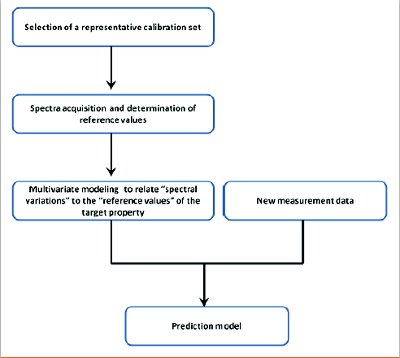
Figure 1. Steps involved in multivariate calibration for quantitative analysis
Although advancements in the use of NIR to detect changes in critical quality parameters have been evaluated (Table 1), the most common application is still the estimation of MC in lyophilized products. Muzzio and coworkers, in a recent study have reported the use of a refl ectance probe and an NIR micro-spectrometer to measure the total amount of water in lyophilized mannitol [10]. In order to do so, they applied diff erent pretreatments and calibration models to develop an optimal performance by application of the following combination: 4-point binomial smoothing, SNV and PSL. This technique is considered to be easily adaptable to at-line and in-line measurements in production environments within the PAT framework. However, the major challenges with this method are the inferior resolution of micro-spectrometers when compared to conventional spectrometers and the low signal intensity of mannitol with very low MC.
Molecular Interactions in Freeze-dried Formulations
Optimizing the composition of excipients that exhibit a sufficiently high glass transition temperature (Tg) is one means of improving the stability of an amorphous lyophilized protein formulation. NIR spectroscopy can be used as a nondestructive tool for proper choice of excipients that form or induce intermolecular hydrogen bonding to provide storage stability and functional properties of amorphous freeze- dried formulations (Table 1). Specifically, it is used to characterize molecular (e.g. hydrogen bonding) as well as physical state (e.g. crystallinity) interactions in multicomponent amorphous systems containing active pharmaceutical ingredient, excipients and residual water.
The molecular interaction study in rubber- and glassy-state amorphous solid excipients has been performed by NIR [14]. In this study, variable temperatures (30-80°C) were selected to elucidate the effect of Tg on hydrogen bonding profiles. Heating of the samples decreased an intermolecular hydrogen-bonding OH vibration band intensity (6,200-6,500 cm-1)with a concomitant increase in a free and intra-molecular hydrogen-bonding OH group. The liquids and cooled-melt amorphous solids showed broad absorption bands indicating random configuration of molecules. Addition of small amount of inorganic salt significantly raised the Tg of the cooled-melt mannitol with increase in intermolecular hydrogen-bonding of band intensity. The results were in agreement with temperature-dependent changes in the mid-infrared OH stretching of polyol and saccharide solids.
An interesting application of NIR is its ability to detect and cluster versatile freeze-dried samples and classify them according to the composition, water content and solid-state properties. In a related study the eff ect of varying ratios of mannitol and sucrose, inorganic/ organic excipients and diff erent relative humidities on the mannitol crystallization behavior in the lyophilized product was investigated by NIR [3]. PCA after applying correction for the SNV of the obtained NIR revealed that the relative humidity under storage and the mannitol/sucrose ratio were the two principal components affecting crystallization behavior of mannitol. Other interesting applications of NIR as a tool for the study of protein-excipient studies are reported in Table1.
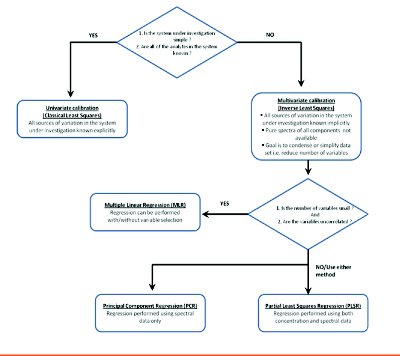
Figure 2. Linear multivariate calibration decision tree
Protein Conformation Determination
Another major criteria for production of a successful biopharmaceutical product is retention of structure and activity of the active post lyophilization. NIR has the capability to distinguish between damage caused to the biopharmaceutical product due to elevated temperatures and freeze drying or lyophilization stresses. Fourier Transform Infrared Sepctroscopy (FTIR) is capable of providing the same results, however, it suff ers from some inherent limitations like sample preparation in a controlled environment and data manipulation to obtain precise and reliable results. NIR overcomes these limitations of the FTIR by being able to be operated non-invasively, thus minimizing sample preparation in a controlled environment. A strong correlation between the results of FTIR and NIR signals of lyophilized protein product has been shown by Bai and coworkers [15]. Lyophilized samples of two proteins, α-chymotrypsinogen A and cytochrome c under varying conditions of stability and disruption of different levels of structure were studied. Their results have shown the predominant presence of α- helical structures (shown by strong bands in the 1655 cm-1 region of the spectra for the lyophilized product) in α-chymotrypsinogen whereas the native state structure is predominantly β-pleated (shown by strong bands in the 1636 cm region of the spectra for the native protein). This suggests degradation of the product due to the stresses it sustains during lyophilization, and the potential of NIR to diff erentiate between α- helical and β-pleated structures. Multiple attempts to use NIR as a tool for determination of protein structure and conformation have been reported in the literature and are not within the scope of this review. However, Table 1 summarizes important studies employing NIR and its application to this fi eld of study.
Conclusion
NIR has significantly attained acceptance in the pharmaceutical industry as an efficient noninvasive multivariate technique, for raw material identification and/or qualification, and nondestructive chemical analysis of intact dosage forms especially for biopharmaceuticals. It is evident that advancements in instrumentation and implementations of product specific protocols for analysis of in-line, at-line or off-line monitoring can significantly impact the quality of the final lyophilized biopharmaceutical product. Additionally, information obtained from these probes can provide real-time analysis of product characteristics and considerably reduce process development time. In summary, an integrated approach of PAT with NIR spectroscopy with or without other techniques can have an immense impact at various levels of the drug process development ranging from product characterization to final product manufacturing.
References
- Reich, G., Near-infrared spectroscopy and imaging: Basic principles and pharmaceutical applications. Advanced drug delivery reviews, 2005. 57(8): p. 1109-1143.
- Rajan, M.G., Bhattacharjee, H., Bedi, S., Reo, J., Pimer on NIR spectroscopy as a PAT tool in the tablet manufacture process. American Pharmaceutical Review, 2010. 13(6): p. 128-135.
- Grohganz, H., et al., Classification of lyophilised mixtures using multivariate analysis of NIR spectra. European Journal of Pharmaceutics and Biopharmaceutics, 2010. 74(2): p. 406-412.
- Tobias, R.D., An introduction to partial least squares. Analysis, 1995.
- Connolly, B., et al., Vibrational spectroscopy and chemometrics to characterize and quantitate trehalose crystallization. Analytical Biochemistry, 2010. 399(1): p. 48-57.
- Broad, N., Graham, P., Hailey, P., Hardy, A., Holland, S., Hughes, S., Lee, D., Prebble, K., Salton, N., Warren, P., Leiper, K., Guidelines for the development and validation of near infrared (NIR) spectroscopic methods. Handbook of Vibrational Spectroscopy, ed. J.M. Chalmers, Griffiths, P.R. Vol. 5. 2006: Wiley.
- Schwendeman, S.P., et al., Stabilization of tetanus and diphtheria toxoids against moisture-induced aggregation. Proceedings of the National Academy of Sciences, 1995. 92(24): p. 11234.
- Klibanov, A.M. and J.A. Schefiliti, On the relationship between conformation and stability in solid pharmaceutical protein formulations. Biotechnology Letters, 2004. 26(14): p. 1103-1106.
- Guidelines for the detemination of residual moisture in dried biological products, CBER, Editor. 1990, Food and Drug Administration.
- Muzzio, C.R., N.G. Dini, and L.D. Simionato, Determination of moisture content in lyophilized mannitol through intact glass vials using NIR micro-spectrometers. Brazilian Journal of Pharmaceutical Sciences, 2011. 47(2): p. 289-297.
- Zheng, Y., et al., Determination of moisture content of lyophilized allergen vaccines by NIR spectroscopy. Journal of pharmaceutical and biomedical analysis, 2008. 46(3): p. 592-596.
- Derksen, M.W.J., P.J.M. van de Oetelaar, and F.A. Maris, The use of near-infrared spectroscopy in the efficient prediction of a specification for the residual moisture content of a freeze-dried product. Journal of Pharmaceutical and Biomedical Analysis, 1998. 17(3): p. 473-480.
- Cao, W., et al., Differentiation and quantitative determination of surface and hydrate water in lyophilized mannitol using NIR spectroscopy. Journal of Pharmaceutical Sciences, 2006. 95(9): p. 2077-2086.
- Izutsu, K., et al., Near-Infrared analysis of hydrogen-bonding in glass-and rubber-state amorphous saccharide solids. AAPS PharmSciTech, 2009. 10(2): p. 524-529.
- Bai, S., et al., Noninvasive determination of protein conformation in the solid state using near infrared (NIR) spectroscopy. Journal of Pharmaceutical Sciences, 2005. 94(9): p. 2030-2038.
- Stokvold, A., K. Dyrstad, and F.O. Libnau, Sensitive NIRS measurement of increased moisture in stored hygroscopic freeze dried product. Journal of Pharmaceutical and Biomedical Analysis, 2002. 28(5): p. 867-873.
- Izutsu, K.I., et al., Effect of counterions on the physical properties of L-arginine in frozen solutions and freeze-dried solids. International Journal of Pharmaceutics, 2005. 301(1-2): p. 161-169.
- De Beer, T.R., et al., In-line and real-time process monitoring of a freeze drying process using Raman and NIR spectroscopy as complementary process analytical technology (PAT) tools. J Pharm Sci, 2009. 98(9): p. 3430-46.
- De Beer, T.R., et al., Optimization of a pharmaceutical freeze-dried product and its process using an experimental design approach and innovative process analyzers. Talanta. 83(5): p. 1623-33.
Author Biographies
Sonia Bedi, Ph.D., is a Research Scientist at Innopharma, lnc. Her major interests include preformulation (solid state characterization, solubility studies, drug-excipient compatibility and product-manufacturing component compatibility) and formulation of solid and sterile dosage forms. She further holds industrial experience in managing intellectual property. In her current role, she is focused on development and technology transfer of both ANDA and 505b(2) products.
Bivash Mandal, M.S. is a graduate student in the department of Pharmaceutical Sciences at the University of Tennessee Health Science Center. In 2010, he received his master’s degree from the department of industrial Pharmacy, University of Toledo. His doctoral research project is focused on design and development of hybrid nanoparticles for the therapy of lung cancer. He also holds authorship in international journals.
Nivesh Mittal, M.S. is currently pursuing his doctoral degree in the department of Pharmaceutical Science at the University of Tennessee Health Science Center. He obtained his undergraduate degree and his Masters degree in biotechnology from India and has industrial experience in the development of colloidal drug delivery systems. Currently his research focuses upon developing lipid based targeted nanoparticulate systems for B-cell lymphomas.
Pavan Balabathula, M.S. is a Senior Research Assistant at UTHSC (Memphis, TN) in Pharm. Sci. Dept. He earned his M.S degree in Chemistry with an emphasis in Analytical Chemistry from the EKU (Richmond, KY). His current role is to conduct research and analytical studies for development of novel drug products according to federal guidelines.
Himanshu Bhattacharjee, Ph.D. is a faculty at the University of Tennessee Health Science Center, College of Pharmacy in the Department of Pharmaceutical Sciences. He is also associated with the Plough Center for Sterile Drug Development Systems and has an additional appointment of Associate Director of Research at the Center. He has a background in drug discovery and is currently involved in preformulation and formulation development research for solid as well as parenreral drug products. His research is aligned with preclinical drug product development in accordance to federal guidelines and works closely with pharmaceutical industry.